Texas's THC Crackdown: What the July 31 Ban Actually Does — and What It Doesn't
Texas's THC Crackdown: What the July 31 Ban Actually Does — and What It Doesn't
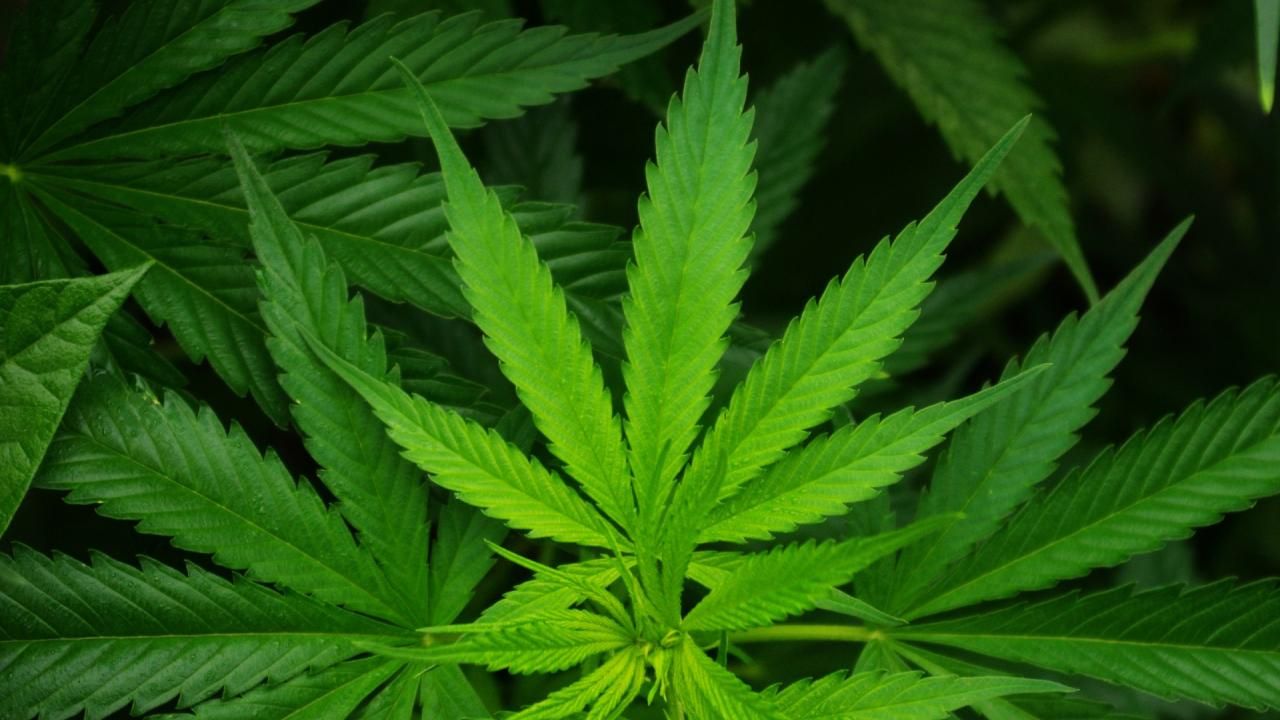
Delta-8, delta-10, THCP and THCA flower are being pulled from shelves across Texas. Delta-9 survives. Here's the full picture — what changed, how the state got here, and what happens next.
As of Friday, July 31, 2026, the ground shifted under one of Texas's fastest-growing industries. A large share of the hemp-derived THC products that Texans have been buying legally for years — the delta-8 gummies, delta-10 vapes, THCA flower, and more — are now reclassified as illegal controlled substances. According to reporting by the Texas Tribune, cannabis experts believe the change could strip 60% to 90% of THC products from some stores' shelves.
But the ban is narrower and stranger than the headlines suggest. It doesn't outlaw all intoxicating hemp. In fact, the single most popular THC product in Texas remains perfectly legal. To understand what just happened — and why it's confusing even to the businesses affected — you have to untangle a five-year legal war between the hemp industry, state regulators, the Legislature, the Governor, and the courts.
Here's the deep dive.
The Bottom Line: What's Banned vs. What's Still Legal
Let's start with the practical reality for a Texas consumer or retailer as of July 31.
Now banned (reclassified as Schedule I controlled substances):
- Delta-8 THC
- Delta-10 THC
- THCP
- THCA flower (the smokeable "hemp flower" that converts to THC when heated)
- In short, essentially all the synthetically derived or lab-converted THC variants that fueled the industry's explosive growth.
Still legal:
- Delta-9 THC, as long as the product contains no more than 0.3% delta-9 by dry weight. This is the threshold written into federal law, and it's the reason delta-9 survives while its cousins don't. Delta-9 occurs naturally in the plant and isn't typically synthesized in a lab, so it fits the federal definition of legal hemp — the other cannabinoids don't.
- That means Texans can generally still buy delta-9 edibles, drinks, and tinctures that stay under the limit.
- Smokeable hemp also remains available for now. A separate statewide ban on smokeable hemp was slated to take effect back on March 31, but a court order paused it — so delta-9 smokeable products haven't been swept up in this particular change.
Already gone (from an earlier round):
- THC vape pens. Texas banned the sale of THC vape pens in the previous legislative session, so those were off the table before this latest move.
One constant through all of it: you must be 21 or older to buy THC products in Texas.
So the paradox at the heart of July 31 is this — a Texan can still legally purchase an intoxicating delta-9 edible, but a delta-8 gummy that delivers a milder high is now a felony to possess. Part of why some consumers preferred delta-8 and delta-10 in the first place was precisely that they offered a gentler effect. The law drew its line based on chemistry and federal definitions, not on how strong the high is.
How Texas Got Here: A Five-Year Legal War
This ban didn't come from a single new law passed this summer. It's the delayed detonation of a fight that started in 2018.
The federal "loophole" that built an industry
The 2018 federal Farm Bill legalized hemp nationwide, defining it as cannabis containing no more than 0.3% delta-9 THC. Crucially, that definition said nothing about delta-8, delta-10, or other cannabinoids. Entrepreneurs realized they could chemically convert legal hemp into other intoxicating compounds that technically weren't named in the law — and a massive new market was born. Texas legalized hemp at the state level in 2019, excluding it from the definition of marijuana.
The boom
Over the next several years, the Texas hemp-THC industry exploded. State officials estimated during the 2025 legislative debate that it had grown into roughly an $8 billion-a-year business spanning more than 8,000 vendors in communities across the state. The Department of State Health Services counts about 14,000 retail locations licensed to sell consumable hemp. This was no fringe market — it became a significant part of Texas's retail economy.
The rule and the lawsuit that froze it
Back in 2021, DSHS moved to classify delta-8 and other synthetic hemp-derived THC variants as Schedule I drugs. Austin-based retailer Hometown Hero and other hemp businesses sued, arguing the state had overstepped and contradicted the 2019 Texas hemp law. A temporary injunction blocked the rule from being enforced — and that injunction stayed in place for roughly five years. That's the legal limbo that quietly allowed stores to stock delta-8, delta-10, and the rest all this time.
The 2025 showdown: SB 3, the veto, and a failed special session
In 2025, the Legislature tried to settle the matter directly. Senate Bill 3, authored by Sen. Charles Perry and championed hard by Lt. Gov. Dan Patrick, would have banned essentially all consumable THC. It passed both chambers by wide margins.
Then, minutes before the deadline, Gov. Greg Abbott vetoed it. His reasoning was strategic rather than sympathetic to the industry: he argued a total ban would collide with federal law and get tied up in years of litigation, calling instead for tough regulation — age limits, safety testing, and marketing restrictions to keep products away from kids. Patrick was furious, publicly accusing Abbott of effectively wanting to "legalize marijuana," and the two Republicans feuded openly. Abbott called a special session to write a regulatory framework, but lawmakers couldn't agree — hardliners wanted a near-total ban, others wanted regulation — and the session ended with no new hemp law at all.
The court finishes what the Legislature couldn't
With the Legislature deadlocked, the outcome fell to the judiciary. In May 2026, the Texas Supreme Court reversed the old 2021 injunction, clearing the way for DSHS to finally enforce its rule. The state reinstated the original definitions, and the reclassification took effect July 31, 2026. In other words: the ban Abbott vetoed didn't become law through the Legislature — a version of it arrived anyway, through the courts and an administrative rule.
The Penalties Are Serious
This isn't a slap on the wrist. Once these THC variants are treated as Schedule I substances, the consequences — according to cannabis-law experts cited by the Texas Tribune — are steep.
For consumers: Possession of the now-illegal products can be charged as a state jail felony, carrying 180 days to two years behind bars and fines up to $10,000. Products that were sitting legally in someone's kitchen drawer a week ago can now, in theory, expose them to felony liability.
For businesses: Retailers caught selling banned substances can lose their consumable-hemp licenses, face fines of up to $10,000 per violation, and be criminally charged with manufacturing or distributing a controlled substance. Some shop owners quoted in coverage of the ban expect to remove anywhere from half to 90% of their inventory, and many smaller stores that built their business around delta-8 and THCA may not survive.
The Case FOR the Ban
Supporters frame this as a long-overdue public-safety win, and their arguments deserve a fair hearing.
- Protecting children. This has been the central argument for years. Advocates point to data from the Texas Poison Center Network showing cannabis-related poisoning calls climbed sharply after hemp-derived THC took off — from roughly 923 in 2019 to about 2,669 last year — with a large share involving young children and teenagers. To supporters, that trend is the whole ballgame.
- Unregulated, inconsistent products. Backers argue the boom outpaced oversight, leaving shelves full of intoxicating products of uncertain potency and purity. Groups like Citizens for a Safe and Healthy Texas contend the industry hasn't proven its products are safe, and some advocates want the state to go further and restrict delta-9 too.
- Closing the "loophole." From this view, lab-converted delta-8 and delta-10 were always an unintended exploit of the Farm Bill's wording — not a market the public ever voted to create — and the reclassification simply restores the original intent of drug law.
For Patrick and his allies, the July 31 outcome is a vindication of the position they fought for in 2025.
The Case AGAINST the Ban
Opponents — a coalition that spans the hemp industry, many veterans, farmers, patients, and cannabis-policy advocates — see it very differently.
- Recriminalization and its costs. Critics argue the state is turning products that were federally legal for years back into felonies, creating what one advocate described as a new pipeline into the criminal-justice system and straining public resources.
- Empowering the illicit market. A recurring industry argument: banning regulated, licensed products doesn't eliminate demand — it pushes consumers toward an unregulated black market with no testing, no age checks, and higher prices, arguably making people less safe.
- Economic damage. With billions in annual sales and thousands of licensed businesses, opponents warn of shuttered stores and lost jobs. The Texas Hemp Business Council's director bluntly predicted the change would do, in his words, "irreparable harm." Even shops that pivoted early toward compliant delta-9 products expect meaningful sales hits.
- Patients and veterans. During the 2025 fight, veterans and Texans managing chronic pain and other conditions testified that these products help them — and that losing access pushes them toward pharmaceuticals or the illicit market.
It's worth noting this was never a clean partisan split. Abbott's veto drew support from some conservatives, and the opposition to a total ban united libertarian-leaning Republicans, business advocates, and progressive reformers alike.
What Happens Next
The July 31 reclassification is a major turning point, but it's almost certainly not the final word.
- More lawsuits are coming. Even as some major players (like Hometown Hero) have signaled they won't challenge the Supreme Court's ruling directly, other businesses are reportedly preparing fresh legal action. Expect the courtroom battles that have defined this saga to continue.
- Enforcement is an open question. How aggressively local law enforcement and prosecutors across 254 counties choose to pursue possession cases — especially for ordinary consumers — remains to be seen and will likely vary widely by jurisdiction.
- The Legislature isn't done. The underlying policy dispute between a total ban and a regulatory framework was never resolved. It's likely to resurface in a future session, and the delta-9 products that survived this round could themselves become a target.
- The industry is scrambling to adapt. Many retailers are racing to pivot toward compliant, low-dose delta-9 lines. Whether that's enough to keep the doors open — particularly for smaller, delta-8-dependent shops — will play out over the coming months.
The Takeaway
Texas didn't ban THC on July 31. It redrew the map — outlawing the lab-derived variants that powered a multibillion-dollar boom while leaving naturally occurring, low-dose delta-9 standing. It's a policy shaped less by a single decisive vote than by five years of dueling laws, a gubernatorial veto, a legislative stalemate, and ultimately a court ruling that broke the tie.
For consumers, the immediate reality is simpler: a lot of familiar products are disappearing from shelves, the rules are genuinely confusing, and the penalties for getting it wrong are now severe. For an industry built inside a legal gray zone, the gray just got a lot darker — though, given the lawsuits and legislative fights still ahead, probably not permanently settled.
This article is for general informational purposes only and is not legal advice. Cannabis and hemp law in Texas is changing rapidly, varies by product and jurisdiction, and is the subject of ongoing litigation; anyone with questions about their specific situation — as a consumer or a business — should consult a qualified Texas attorney and verify the current status of the law. Reporting drawn from the Texas Tribune, Texas Supreme Court filings, the Texas Department of State Health Services, the Texas Senate, and other public news sources.
Categories
Recent Posts