Living in Fort Worth, TX: The Honest Pros and Cons of Buying in Cowtown
Living in Fort Worth, TX: The Honest Pros and Cons of Buying in Cowtown
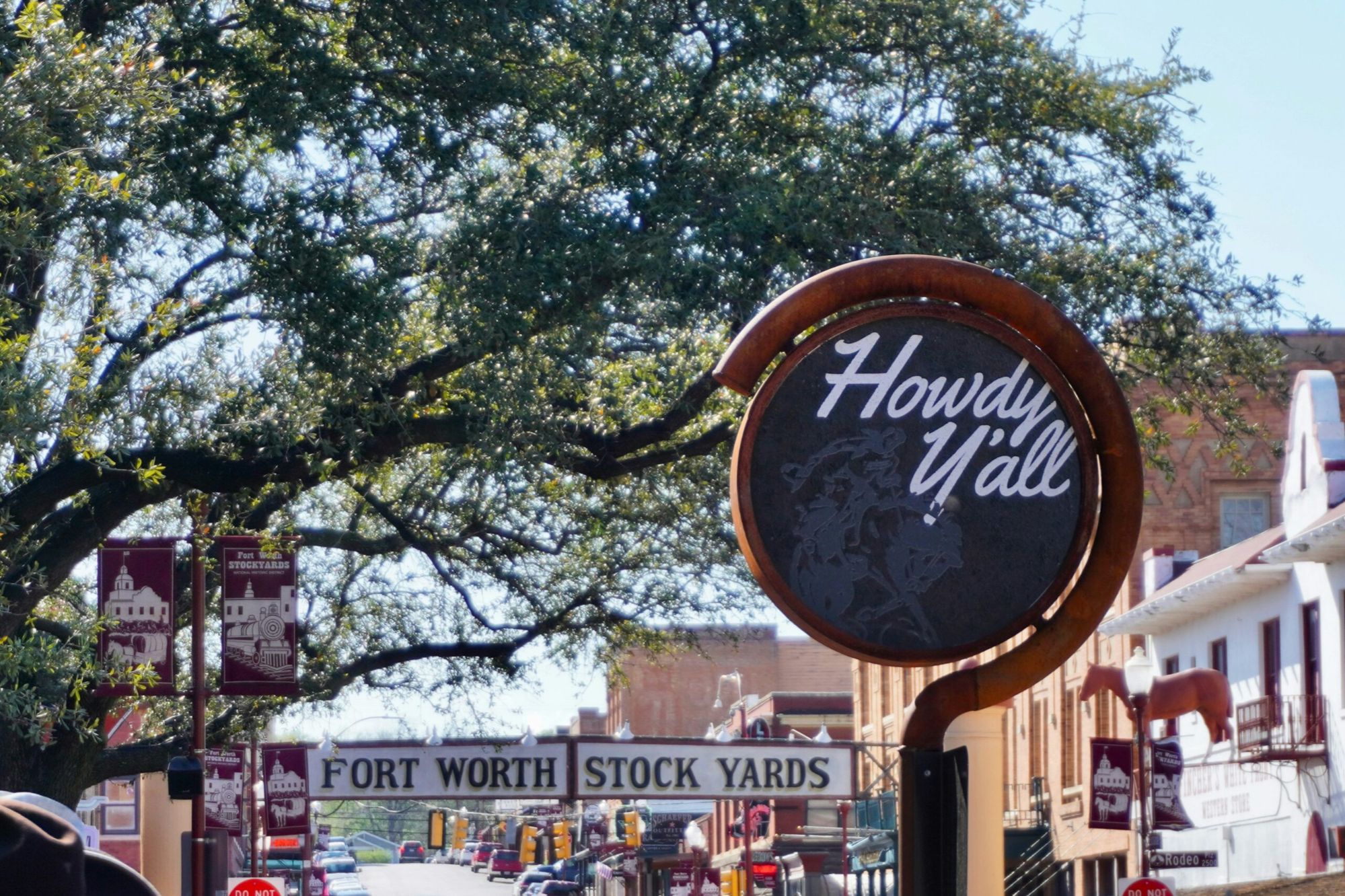
Fort Worth is the biggest city in America that still gets called underrated — nearly a million people, a twice-daily cattle drive through the Stockyards, a Cultural District holding world-class Kahn and Ando museums, Dickies Arena hosting the rodeo, and the Near Southside's Magnolia Avenue running one of Texas' best restaurant rows. It's Dallas' equal partner that never wanted to be Dallas — cheaper, friendlier by reputation, and fiercely itself.
Like every big city in this series, "Fort Worth" is a hundred markets wearing one name. Here's the honest citywide breakdown, neighborhood-first as always.
Quick Snapshot
- County: Tarrant (with Denton, Parker, Wise, and Johnson county edges)
- Population: Roughly 1 million — among America's fastest-growing big cities
- Typical price range: The full spectrum — southside and east-side entries from the $180,000s–$275,000s, established family neighborhoods $300,000–$600,000, TCU/Cultural District and west-side prestige addresses $600,000 to multi-millions
- School districts: Fort Worth ISD for the core, with vast portions of the city zoned to Keller, Northwest, Eagle Mountain-Saginaw, Crowley, and other suburban districts — the city's biggest zoning arbitrage
- Location: The western anchor of the Metroplex — 35 minutes to DFW Airport from the core, 35–45 to Dallas
- Vibe: Western-heritage confident, museum-sophisticated, unpretentious, booming
The Pros
1. Big-city life at a structural discount to Dallas
Fort Worth's equivalent neighborhoods — character streets, walkable districts, prestige addresses — consistently price below their Dallas mirrors, sometimes dramatically. The Near Southside costs less than comparable Dallas urban districts; Arlington Heights less than the Park Cities orbit; entry neighborhoods less than almost anything in Dallas County. Same metro, better math.
2. Neighborhoods with genuine identity
Fairmount's historic district (one of the largest in the Southwest) and Magnolia's restaurant row; the TCU area's collegiate energy; Arlington Heights and Rivercrest's old-money streets; the Stockyards' living-history edge; Alliance's master-planned north. Fort Worth's neighborhood map reads like a character list, at every price tier.
3. The culture is world-class and walkable
The Kimbell (Kahn's masterpiece), the Modern (Ando's), the Amon Carter — three landmark museums sharing one district — plus Dickies Arena, the Stock Show, Bass Hall's opera and symphony, and the Stockyards' honky-tonk economy. Few American cities this affordable hold cultural assets this serious.
4. The suburban-district arbitrage
Enormous swaths of the city — the entire booming far north among them — carry Fort Worth addresses zoned to Keller, Northwest, Eagle Mountain-Saginaw, and other well-regarded suburban districts: city services and pricing with suburban-district schools. It's the single most valuable zoning fact in Tarrant County, and buyers who work it save six figures against the suburbs themselves.
5. Alliance and the jobs engine
The Alliance corridor's logistics-aviation-corporate colossus, downtown's stable base, the Medical District's growth, and the manufacturing belt make Fort Worth an employment center in its own right — commutes that never touch Dallas are the west side's daily reality.
6. Trinity Trails and the river spine
Nearly 100 miles of Trinity Trails link the neighborhoods to the river, the Stockyards, and each other — with the Panther Island vision slowly adding an urban waterfront. For runners, cyclists, and paddlers, the trail system is the city's connective amenity.
The Cons
1. School navigation is the whole ballgame
Fort Worth ISD's campus ratings span the full scale with many zones rating low, the district's turnaround work is genuinely in progress, and the city's family map is largely drawn by the suburban-district boundaries and the private/charter bench. The rule from Dallas applies doubled: the zone, the program, or the tuition — pick the strategy before the house, and verify the district line before anything else, because "Fort Worth" the address tells you nothing about the district.
2. Block-by-block everything, western edition
Values, safety, flood exposure, and trajectory shift street by street across a city this size. The east side's value plays and the southside's transitional blocks reward research and punish assumption identically. Drive the block at night — the standing rule.
3. Sprawl and the crosstown slog
Fort Worth annexed its way to enormity, and crossing it proves it: far-north to downtown runs 30+ minutes, I-35W's endless construction era tests everyone, and east-west arterials congest. Living near your life matters more here than almost anywhere.
4. Old stock, old bills — and new stock, new districts
The character neighborhoods carry pier-and-beam, cast-iron, and century-home budgets (Fairmount's charm is priced in sweat and scopes), while the booming north's new communities carry the special-district tax layers of growth corridors — verify PID/MUD status on every northern new build. Both eras demand their homework.
5. Big-city frictions, standard issue
Property-crime patterns by area, infrastructure strain from hypergrowth, city-services bureaucracy at scale, and the west's summer water politics. Nothing unique among American big cities; all of it part of the purchase.
6. Hail alley's western seat
Tarrant and its western neighbors take the metro's storms first and hardest — roof age rules insurance even more decisively here, and impact-resistant shingles earn their premium discounts. Date every roof; quote every policy in the option period.
Cost of Ownership: Cowtown Math, Managed
Model a $425,000 Fort Worth home. The stack varies by district more than by city: Tarrant County, city, and whichever school district the address feeds — FWISD core zones versus Keller/Northwest-zoned north-side addresses can differ meaningfully in both rate and what the rate buys. Mid-2% effective before exemptions is the working baseline; the homestead exemption (Tarrant Appraisal District, immediately) and the annual protest are the management layer; over-65 ceilings favor the city's ranch-stock abundance.
Insurance is the western line item: hail exposure prices roof age mercilessly, and the impact-resistant upgrade typically pays for itself in premiums. Old-neighborhood budgets carry the century-home reserve ($10,000–$25,000 early-years reality in original-condition Fairmount-tier stock); northern new builds trade that for special-district rate verification. The offsets: commutes that can round to zero near Alliance or downtown employment, no toll dependence for most west-side patterns, and a cost basis that funds the museum memberships and Stockyards weekends the address includes.
Frequently Asked Questions About Buying in Fort Worth
Which Fort Worth neighborhoods should families target? The honest answer is district-first: the Keller/Northwest/EMS-zoned north for suburban-district defaults, the TCU and southwest zones for FWISD's stronger patterns, and everywhere else with a campus-level plan. The district line is the family map.
Is the Near Southside/Fairmount worth the old-house work? For character buyers, emphatically — the Southwest's largest historic district beside Magnolia's restaurant row is a national-caliber urban neighborhood at Fort Worth pricing. The scopes, foundations, and reserves are the membership dues.
How does Fort Worth compare to Dallas for buyers? Structurally cheaper at equivalent tiers, with a more navigable core and its own complete employment base — against a smaller magnet-school peak and a thinner transit map. Many households simply choose by which downtown their life faces.
What's the Alliance area about? The north-side jobs engine — logistics, aviation, corporate campuses — surrounded by the master-planned communities (mostly suburban-district-zoned) that make far-north Fort Worth function as its own city. Verify each community's district and any PID/MUD layer.
Are the Stockyards just for tourists? The herd drive is — the district around it is a living entertainment economy locals use constantly: honky-tonks, Mule Alley's restaurant row, rodeo nights. It's the rare tourist district residents keep.
Is Fort Worth a good investment? America's fastest-growing big city, priced below its metro twin, with employment engines of its own: the macro case writes itself. The micro case is the usual one — block, district, roof — and it decides everything.
Where to Eat: 5 Fort Worth Icons (of Hundreds)
- Bonnell's Fine Texas Cuisine — Chef Jon Bonnell's game-and-Gulf flagship, holding a 4.9 "Exceptional" rating and a generation of best-of-Fort-Worth hardware.
- 97 West Kitchen + Bar (Hotel Drover) — Elevated ranch cuisine anchoring the Stockyards' Mule Alley renaissance.
- Joe T. Garcia's — The legendary garden-patio Tex-Mex institution, cash-only and packed since 1935.
- Heim Barbecue (Magnolia Avenue) — The bacon-burnt-ends originators who helped make the Near Southside a food destination.
- Silver Fox Steakhouse — Prime steaks and a 300-bottle cellar for the downtown celebration night.
Golf in Fort Worth
Colonial Country Club is the crown — Hogan's Alley, home of the PGA Tour's Charles Schwab Challenge and one of American golf's cathedral courses — anchoring a private tier that includes Shady Oaks and Rivercrest. The public rotation runs deep too: the renovated Rockwood Park riverside municipal leads a city-course roster (Pecan Valley, Meadowbrook) that keeps Cowtown golf affordable.
School Ratings Worth Knowing
The verified guidance here is structural rather than numeric: Fort Worth's family-school map is drawn by district boundaries first — vast Fort Worth-addressed areas zone to Keller, Northwest, Eagle Mountain-Saginaw, Crowley, and other suburban districts, while FWISD's own campuses span the rating scale with its improvement work ongoing — and we couldn't verify current 7+ GreatSchools numbers for specific FWISD campuses at this writing. So: identify the district on the tax rolls before touring the house, pull live campus ratings at GreatSchools' Fort Worth page, and build the zone-program-or-tuition strategy the way every big-city family in this series must.
Neighborhoods to Know (a Starter Map)
Fairmount and the Near Southside — the historic district beside Magnolia's restaurant row; character capital of the city, priced in scopes and sweat. The TCU/Bluebonnet Hills area — collegiate energy, strong FWISD zones, and the city's most reliable family-resale bench in the core. Arlington Heights, Rivercrest, and Westover's orbit — the prestige west, from approachable Heights bungalows to old-money estates. The Cultural District/West 7th edge — museum-adjacent urban living with the nightlife-noise evaluation to match. The far-north Alliance communities (Heritage, Presidio-area, and their peers) — the suburban-district-zoned master-planned belt where the arbitrage lives, PID/MUD verification included. The east side and Stop Six-to-Handley corridors — the value-and-trajectory research zone, block-by-block in both directions. Wedgwood and the southwest — mid-century volume fabric with some of the city's best space-per-dollar. Seven entries can't map a million-person city — but they'll tell you which Fort Worth conversation you're in, and each one prices, zones, and inspects differently.
Helpful Links
- City of Fort Worth — city services and permits
- Fort Worth ISD — zones, programs, and enrollment
- GreatSchools: Fort Worth, TX — current campus ratings
- Tarrant Appraisal District — exemptions and protests
- Trinity Trails — the river trail system map
- Visit Fort Worth — Stockyards, Cultural District, and events
- OnDemand Realty — block-level Fort Worth guidance, district lines included
Who Fort Worth Fits Best
- Buyers wanting big-city life priced a tier below Dallas
- District-arbitrage families working the suburban-zoned north
- Character-home lovers with Fairmount-grade budgets and patience
- Alliance-corridor and west-side workers deleting the crosstown commute
- Culture-and-trails households who'll use what the city built
Who Should Look Elsewhere
- Families wanting research-free school uniformity — that's the suburbs' product
- Buyers unwilling to verify district lines, blocks, and district-tax layers
- Crosstown commuters who underestimated the city's sheer size
- Anyone allergic to big-city frictions in any dose
The Bottom Line
Fort Worth is the metro's best-priced complete city: world-class culture, its own jobs engine, neighborhoods with real names and real character, and a discount to Dallas that the market keeps failing to close. The buyer's craft is the big-city standard — district line first, block second, roof always — practiced across a map where the suburban-district arbitrage alone can fund the whole decision. Cowtown never needed to be discovered; it needs to be bought correctly.
Categories
Recent Posts