Living in Frisco, TX: The Honest Pros and Cons of America's Suburb-in-Chief
Living in Frisco, TX: The Honest Pros and Cons of America's Suburb-in-Chief
Frisco spent twenty-five years as the answer to "where is everyone moving?" — from 30,000 people to a corporate-headquarters, pro-sports-campus, theme-park-hosting city of 240,000+ that other suburbs study like a case file. The Dallas Cowboys run their empire from The Star; the PGA of America moved its headquarters here; Universal opened its first kids' theme park here in July 2026; and the school district, parks, and municipal machine grew up alongside it all, well-funded and famously ambitious.
Full disclosure that doubles as credentials: our brokerage is headquartered here. We know Frisco's case — and its fine print — from inside. Here's the honest breakdown.
Quick Snapshot
- County: Collin (with Denton County western sections)
- Population: Roughly 240,000+ — the boomtown that finished becoming a city
- Typical price range: Approximately $500,000–$900,000 across the established master-planned core, with west-side and older-east sections below, and the Fields/PGA-corridor luxury tier from $700,000 to well past $2 million
- School district: Frisco ISD for most of the city (Lewisville, Little Elm, and Prosper ISD edges), plus deep private options
- Location: The Dallas North Tollway's spine, 25–30 minutes to downtown Dallas, 20–25 to DFW Airport
- Vibe: Ambitious, polished, sports-saturated, relentlessly amenitized
The Pros
1. The amenity stack no suburb matches
Inventory it: The Star's Cowboys campus and entertainment district, Toyota Stadium and FC Dallas, the PGA of America's headquarters with the Omni resort and Fields Ranch's championship courses, the National Videogame Museum, Stonebriar Centre's retail gravity, and — newest — Universal Kids Resort's 32 acres of theme park. Frisco residents live inside an entertainment economy other metros market vacations around.
2. Frisco ISD's scale-with-standards model
The district grew from small-town to 60,000+ students while deliberately capping high-school sizes — a dozen-plus smaller campuses instead of mega-schools — preserving participation opportunities (sports, fine arts, leadership) that 5,000-student schools mathematically can't. Paired with strong overall academic standing and modern facilities across the board, it remains the growth-era district other fast cities benchmark.
3. Corporate headquarters keep landing
The Tollway's Platinum Corridor runs through Frisco's blood: relocations and campuses keep arriving, the Fields corporate sites are drawing the next wave, and the city's jobs-to-rooftops ratio makes live-here-work-here genuinely common — the boomtown that built its own employment base.
4. Master-planned quality as the default
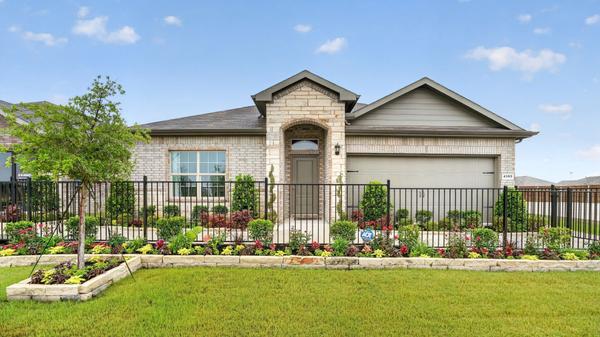
Frisco's housing fabric is master-planned nearly wall to wall — amenity centers, trail networks, HOA-maintained polish — with the established communities now mature and tree-grown. The floor on neighborhood quality sits higher here than almost anywhere in the region.
5. Parks-and-rec at municipal-flex scale
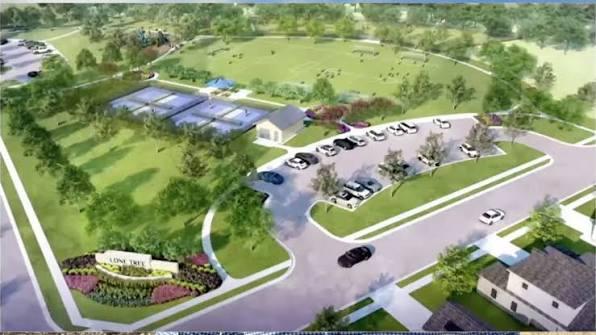
Frisco's park system, aquatics, and athletic-field inventory are famously overbuilt in the best way, and the city's bond-funded ambitions keep expanding them. Youth-sports families in particular find infrastructure sized for their calendars.
6. Liquidity and resale depth
Frisco's national profile keeps buyer demand deep across cycles — relocations alone sustain it — giving owners some of the metro's most liquid resale conditions and its most reliable comp data. Established Frisco sells; it's practically the definition.
The Cons
1. You pay Frisco prices for Frisco
The premium is comprehensive: established homes price at the corridor's top, the Fields/PGA tier tops that, and entry-level product functionally doesn't exist inside the ISD's heart. The amenity stack is capitalized into every square foot — buyers get what they pay for, and they pay for all of it.
2. Traffic is the boom's permanent invoice
The Tollway, 121, Preston, Legacy, and Main carry a quarter-million residents plus commuters plus event crowds — and now theme-park traffic. Game nights, tournament weeks, and ordinary rush hours stack; the city's road-building sprints and never quite catches. Event-district-adjacent buyers should weigh the calendar they're joining.
3. Property taxes at premium appraisals
Rates land in the familiar low-to-mid 2% range (with newer sections carrying district financing to verify) — applied to some of the metro's highest appraisals, and climbing with the city's success. Exemption discipline and annual protests are standard equipment; the escrow line is where Frisco's polish sends its bill.
4. FISD's scale means campus-level variance
A dozen-plus high schools and 70+ campuses can't be uniform: ratings, cultures, and program strengths vary across the district's map, boundaries shift as northern campuses open, and the Fields-era growth zone remains provisional. The district's strong reputation is real; the zoned-campus verification is still mandatory.
5. The polish has a sameness critics aren't wrong about
Master-planned wall-to-wall means Frisco can feel like one continuous upscale development — character-neighborhood and historic-fabric seekers (the Rail District's small old core notwithstanding) will find more texture in Dallas, Denton, or McKinney's square. Frisco optimizes for excellent, not eclectic.
6. Growth-era construction never fully ends
The northern half remains an active construction economy — Fields, Universal-adjacent projects, road expansions — with the traffic, dust, and change-of-plans that entails. Established-south buyers escape most of it; frontier buyers are underwriting it.
Cost of Ownership: The Flagship Premium, Itemized
Model a $650,000 established-Frisco home. The stack — Frisco ISD, Collin (or Denton) County, city — runs low-to-mid 2% effective before exemptions in the established fabric, with district-financing layers on newer sections to verify lot by lot. At Frisco appraisals, exemption management is real money: homestead filed immediately (Collin or Denton CAD by address), the protest calendared annually, and over-65 ceilings noted for the downsizing plan.
Insurance follows the universal roof-age rule — the established core's 15–25-year stock is mid-cycle, so demand dates — while HOA dues track each community's amenity tier. The offsets are Frisco-specific: live-work proximity that can shrink commutes to minutes, an entertainment inventory that replaces travel budgets for sports families, tolls only if your pattern uses them, and the resale liquidity that functions as financial optionality. The premium is the product; the discipline keeps it affordable.
Frequently Asked Questions About Living in Frisco
Is Universal Kids Resort actually open? Since July 1, 2026 — 32 acres of young-family theme park with its own 300-room hotel at the Tollway and Panther Creek, with Frisco-resident ticket rates offered. It instantly joined The Star and PGA Frisco in the city's anchor set.
How do Frisco ISD's smaller high schools work? Deliberate capping: instead of mega-campuses, the district runs a dozen-plus moderately sized high schools, multiplying rosters, chairs, and leadership slots. Families choosing Frisco for participation opportunity are choosing this model specifically.
Which part of Frisco should we target? Established south and central for mature trees, settled zoning, and event-district proximity; the western Denton County sections for relative value; the Fields/PGA north for new luxury and provisional zoning. Budget, commute, and construction tolerance decide it.
What's the traffic honestly like? The metro's densest suburban load, with event surges layered on — manageable with route literacy, punishing without it. Tour candidate homes at rush hour and on a game night before deciding.
Are Frisco taxes high? The rates are corridor-normal; the appraisals aren't. Total bills run high with values, making exemptions and protests the difference between premium and painful. Newer sections add district-financing verification.
Is Frisco a good investment? The most institutionally validated suburb in Texas — headquarters, leagues, and now Universal keep underwriting it — with liquidity to match. The entry price already believes the story; owners are buying durability more than discovery.
Where to Eat: 5 Frisco Favorites
- Haywire (Legacy West edge) — Three floors of refined Texas cuisine, whiskey lounge to rooftop, holding an "Exceptional" rating across thousands of reviews.
- Trick Rider (Omni PGA Frisco) — Rodeo culture meets upscale steakhouse under the hand-cut crystal horse chandelier.
- The Star District's row — The Cowboys' entertainment district lineup for game-adjacent nights.
- Musashi — Upscale-casual sushi and izakaya with tabletop tastings; Frisco's Japanese standout.
- The Rail District's local core — Downtown Frisco's growing independent scene, the city's counterweight of texture.
Golf in Frisco
Fields Ranch at PGA Frisco — East and West, the PGA of America's home courses, with East already hosting major championships — headlines any city's golf resume, resort-accessible minutes from anywhere in town. Stonebriar Country Club's 36 private holes and the corridor's daily-fee bench (The Trails, Plano's and The Colony's courses) complete one of suburban America's deepest golf maps.
School Ratings Worth Knowing
Frisco ISD's overall standing — strong academics at scale, the small-high-school participation model, modern facilities districtwide — is central to the city's premium, and it's earned. At the campus level, our standing rule applies: we couldn't verify current 7+ GreatSchools numbers for specific Frisco campuses this session, ratings vary across 70+ schools, and northern-zone boundaries remain in motion — so pull live ratings for the exact zoned campuses at GreatSchools' Frisco page, verify assignments with Frisco ISD at contract (especially anywhere north of Panther Creek), and note the city's Lewisville, Little Elm, and Prosper ISD edges where the tax rolls, not the city limits, tell the truth.
Neighborhoods to Know
The established central-west communities — Starwood's gated prestige, Stonebriar's club fabric, Newman Village's architectural set piece — anchor the mature luxury tier. The Preston/Main established core (Plantation Resort, Heritage Green-era neighborhoods, and their peers) holds the city's settled family volume: grown trees, known zoning, mid-cycle roofs. West Frisco's Denton County sections (Phillips Creek Ranch and the FM 423 corridor) trade a county line for relative value and newer stock. The Rail District's orbit offers the city's one genuinely textured pocket — the small historic core with its independent scene. The northern frontier — Fields, the PGA corridor, and the 380-approach communities — carries the new-luxury energy, provisional zoning, and construction-era calendar we detailed in the Fields write-up. Frisco-specific shopping wisdom: the same budget buys established maturity in the south or new-build polish in the north, almost never both; event-district proximity (The Star, Toyota Stadium, now Universal) is a lifestyle amenity and a traffic pattern in equal measure; and the school assignment — in a district this large — is a per-address fact, not a citywide assumption.
Helpful Links
- City of Frisco — city services, parks, and development
- Frisco ISD — boundaries, campuses, and enrollment
- GreatSchools: Frisco, TX — current campus ratings
- Visit Frisco — The Star, PGA Frisco, and the events calendar
- Omni PGA Frisco / Fields Ranch — resort golf access
- OnDemand Realty — headquartered right here in Frisco, with lot-level verification citywide
Who Frisco Fits Best
- Families buying the FISD participation model and facilities stack
- Sports-and-entertainment households who'll live the anchor calendar
- Corporate relocators wanting the corridor's most validated address
- Live-work professionals deleting the commute inside the jobs base
- Liquidity-minded owners who value the deepest resale bench in the region
Who Should Look Elsewhere
- Entry-level and value-per-foot buyers — the premium is comprehensive
- Character-and-texture seekers allergic to master-planned uniformity
- Traffic-averse households near the event districts
- Anyone unwilling to verify campus zoning in the growth zones
The Bottom Line
Frisco is the finished argument for the American super-suburb: schools built for participation, an anchor set (Cowboys, PGA, and now Universal) no peer city can answer, and a municipal machine that keeps executing. You pay the fully loaded price, manage the taxes, respect the traffic, and verify the zone like everywhere — and in exchange you own the address the rest of the corridor measures itself against. We built our brokerage here for the same reasons our clients keep buying here; we'll also be the first to show you the fine print.
Categories
Recent Posts