Texas Home Insurance Is Climbing Again: How to Fight Back, Bundle Smart, and Understand Your Deductible
Texas Home Insurance Is Climbing Again: How to Fight Back, Bundle Smart, and Understand Your Deductible
Premiums keep rising across Texas. Here's what's driving it, why a 2% deductible has become the new normal, and the practical moves that can actually lower your bill.
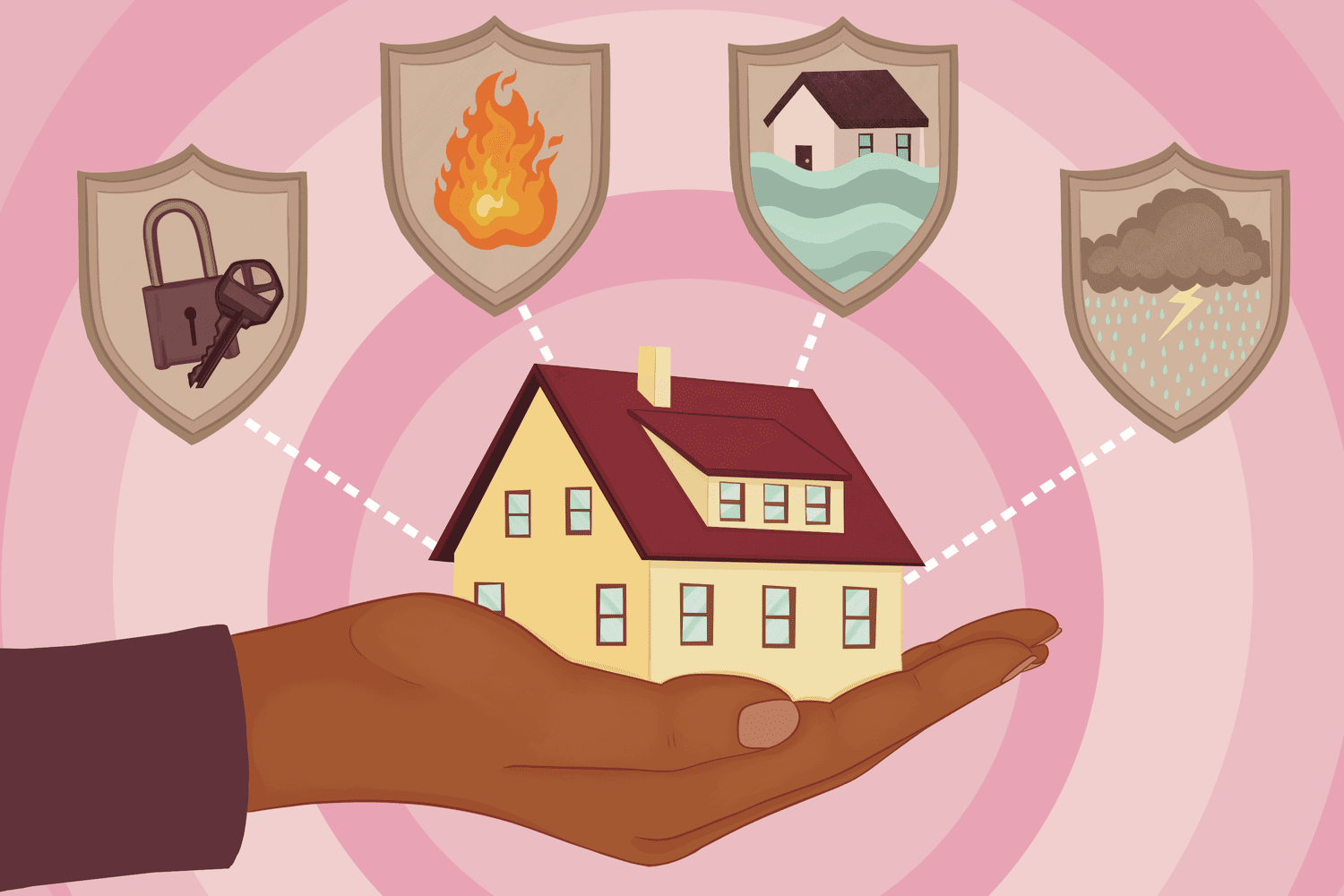
If you own a home in Texas, you've probably felt it: your homeowners insurance renewal shows up, and the number is bigger — sometimes a lot bigger — even though you never filed a claim. You're not imagining it, and you're far from alone. Texas has quietly become one of the most expensive states in the country for home insurance, and the trend isn't slowing down.
The good news is that you have more control over your premium than most people realize. Below is the full picture on why rates keep rising, plus three concrete strategies to save — bundling, understanding your deductible, and shopping your coverage.
Why Texas Home Insurance Keeps Going Up
Texas homeowners have watched premiums rise sharply for several years running. By the end of 2025, Texas had the fourth-highest home insurance premiums in the nation, and forecasts put it among the top five most expensive states heading through 2026 — with the statewide average premium projected to approach roughly $4,500 per year. For many DFW and Houston-area homes, real-world costs land somewhere in the $3,500–$4,500 range annually.
The longer trend is even more striking. By one analysis, the median Texas homeowner paid about 60% more for insurance in 2024 than in 2019 — rising faster than the national average and faster than most household incomes.
So what's driving it? A few forces are stacking on top of each other:
- Severe weather. This is the number-one driver. Texas faces a full roster of natural disasters — hail, tornadoes, hurricanes, straight-line winds, flooding, even winter storms. Hail and wind alone account for the majority of Texas homeowner claims. Catastrophic events like Hurricane Harvey (2017) and Winter Storm Uri (2021) generated tens of billions in insured losses, and insurers priced that risk back into premiums.
- Rebuilding costs (inflation). When lumber, materials, and labor cost more, the amount an insurer must pay to rebuild your home after a loss goes up too — so premiums follow.
- Bigger, fancier homes. Modern homes with high-end finishes and smart-home features are more expensive to replace than the homes of a generation ago.
- Tighter underwriting. Several major carriers have pulled back or added restrictions — stricter roof-age rules (many now want a roof under 10 years old for full replacement-cost coverage) and non-renewals in higher-risk areas. As of January 1, 2026, a new Texas law requires insurers to disclose their reasons for non-renewals by ZIP code, which should add some transparency over time.
The takeaway: much of this is outside your control — but how you structure and shop your policy is very much in your control.
Money-Saver #1: Bundle Your Home and Auto
Bundling — putting your home and auto insurance with the same carrier, also called a multi-policy discount — is one of the single biggest levers most households can pull. Combine both policies and you typically knock a percentage off one or both.
Here's what the current numbers look like:
- The average bundling discount runs around 15%, translating to roughly $540 to $870 per year in savings depending on the carrier and your location.
- Some carriers go much higher — several major insurers advertise multi-policy discounts in the 17% to 25% range, and a few reach even higher.
But here's the honest catch that most articles skip: bundling doesn't automatically win. Carriers often apply most of the discount to the auto policy and less to the home policy, and if you pair a cheap auto insurer with an expensive home insurer, the bundled total can actually cost more than two separate well-shopped policies. The discount is only a deal if the underlying rates are competitive on both lines.
The move: always get quotes both ways — bundled and as separate policies — and compare the total. Bundling is usually a winner, but you want to prove it with numbers, not assume it.
Money-Saver #2: Understand Your Deductible (2% Is the New Normal)
This is the part of a Texas policy that surprises people the most — and understanding it can save you thousands and help you set your premium intelligently.
Most Texas homeowners policies actually carry two deductibles:
- The "All Other Perils" (AOP) deductible — for things like fire, theft, and non-storm water damage. This is often a flat dollar amount (e.g., $1,000–$2,500).
- A separate wind/hail deductible — for storm damage, which is the dominant claim type in Texas. This one is almost always percentage-based.
That wind/hail percentage is calculated on your Coverage A (dwelling/rebuild amount) — not your home's market value or purchase price. And here's the shift: for years, 1% was the Texas standard. Today, 2% has become the new norm, especially across North Texas and the DFW area, as carriers moved away from 1% following years of heavy hail and storm losses. In many ZIP codes, 1% is no longer even offered.
What 2% actually means out of pocket, per wind/hail claim:
| Coverage A (Dwelling) | 2% Wind/Hail Deductible |
|---|---|
| $300,000 | $6,000 |
| $400,000 | $8,000 |
| $500,000 | $10,000 |
| $600,000 | $12,000 |
| $750,000 | $15,000 |
In other words, on a $400,000 dwelling, you'd pay the first $8,000 of any hail or wind claim before your insurer pays a dime. That's not a minor cost-share — it's a five-figure gap you need to plan for.
How to use this to your advantage: a higher deductible generally means a lower premium. If you have a solid emergency fund, opting for (or keeping) a 2% wind/hail deductible — versus paying up for a lower one where still available — can meaningfully reduce your annual cost. Just be honest about whether you could cover that out-of-pocket amount after a storm. The right deductible is the one that matches your cash reserves.
A quick warning: if a roofer offers a "deductible-free roof" or promises to "cover your deductible," walk away. In Texas, that's insurance fraud (a Class B misdemeanor), and the homeowner who signs on can be treated as a co-conspirator. Always pay your deductible.
Money-Saver #3: Shop Around — Loyalty Doesn't Pay
Here's an uncomfortable truth: staying with the same insurer year after year often costs you money. Different carriers have very different appetites for Texas risk, different claims histories in your ZIP code, and different pricing. Some are aggressively competing for homes like yours; others are quietly pricing you out to push you away.
Your renewal is not a bill you simply have to accept. Smart Texas homeowners:
- Get fresh quotes every renewal cycle (or at least every couple of years) from multiple carriers.
- Work with an independent agent who can shop many companies at once, rather than a single-carrier agent who can only sell you one option.
- Re-shop after any major change — a new roof, a home upgrade, a move, or a big rate hike.
- Ask about every discount you might qualify for: impact-resistant (Class 4) roofing, a newer roof, monitored security systems, wind-rated garage doors, and other mitigation upgrades that make your home a lower risk in the insurer's eyes.
Combine shopping with bundling and a sensible deductible, and it's realistic to take a serious bite out of your premium — even in a rising market.
Why This Matters If You're Buying or Selling
Insurance isn't just a homeowner expense — it's increasingly part of the home transaction.
- Buyers: rising premiums affect your monthly payment and can even affect how much home you qualify for, since lenders factor insurance into your debt-to-income math. Get an insurance quote early in your search — ideally before you're deep into a contract — because roof age, claim history on the property, and location can all swing the number significantly.
- Sellers: a home with an older roof or a heavy claims history can be harder or costlier for a buyer to insure, which can affect your pool of buyers. Knowing this ahead of time lets you plan.
This is exactly the kind of thing I help my clients think through — because the smartest time to understand a home's insurance picture is before you're at the closing table.
The Bottom Line
Texas home insurance costs are rising, and much of what's driving that — severe weather, rebuilding costs, tighter underwriting — is beyond any individual homeowner's control. But your strategy isn't. Bundle your home and auto (and prove the savings with real quotes), understand that a 2% wind/hail deductible is now standard and set yours to match your cash reserves, and shop your coverage regularly instead of auto-renewing. Those three moves, together, are how Texans keep good protection without overpaying in a tough market.
Have Questions About a Home's Insurance Picture?
Whether you're buying, selling, or just trying to make sense of your costs, I'm happy to point you toward trusted local insurance professionals and help you factor insurance into your bigger real estate decisions.
Categories
Recent Posts