Pros and Cons of Living in Arlington, TX: What the Relocation Guides Won't Tell You
Pros and Cons of Living in Arlington, TX: What the Relocation Guides Won't Tell You
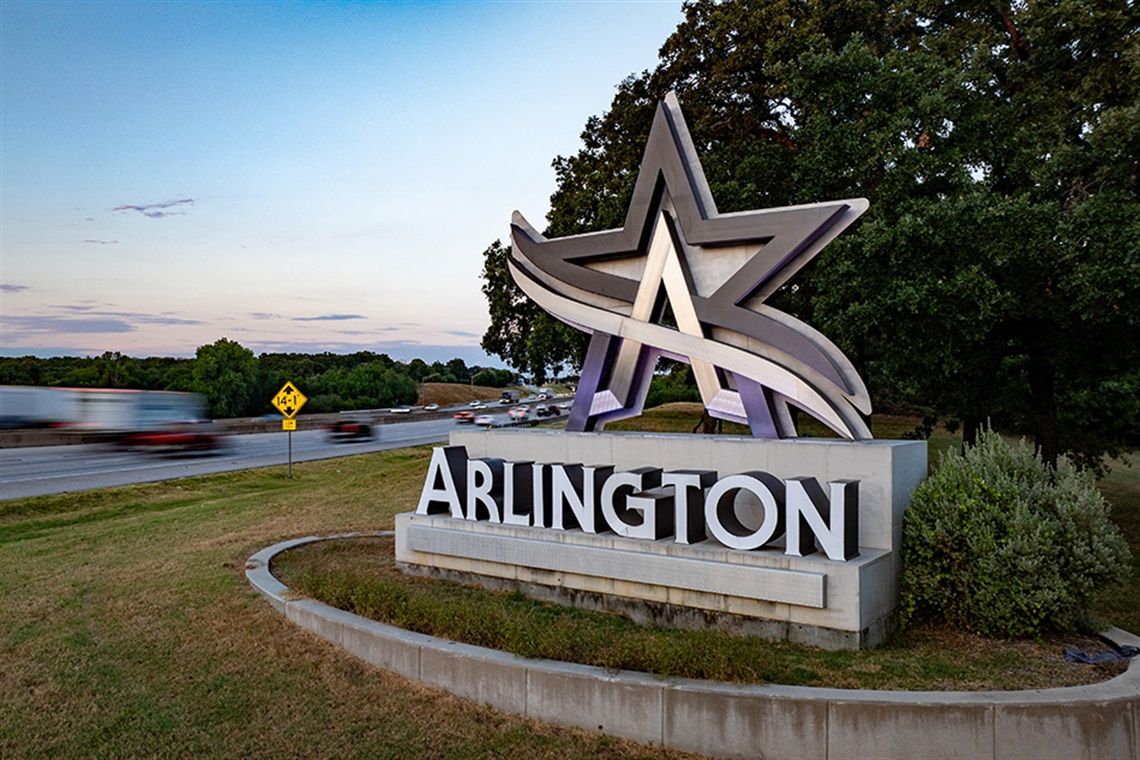
Arlington is the biggest city in America that most out-of-staters have never thought about living in — nearly 400,000 residents, two world-class stadiums, a major university, a massive GM plant, and a location dead-center between Dallas and Fort Worth. It's also a city of genuine contradictions: an entertainment capital with famously limited public transit, and a place where a starter home and a million-dollar lakefront property can share the same ZIP code prefix.
Here's the unvarnished view of what it's actually like to own a home in Arlington.
Quick Snapshot
- County: Tarrant
- Population: Roughly 400,000 — the third-largest city in DFW
- Typical price range: Enormous spread — from the mid $200,000s in older central and east Arlington neighborhoods to $500,000+ in south Arlington, and well beyond in Viridian and lakeside enclaves
- School districts: Primarily Arlington ISD; portions of south Arlington in Mansfield ISD; northeast areas touch HEB and Kennedale ISDs
- Location: Center of the Metroplex, along I-30 and SH-360, 20 minutes to downtown Fort Worth, 25–30 to downtown Dallas
- Vibe: Big-city scale, blue-collar roots, entertainment district energy, block-by-block variety
The Pros
1. The most central address in the Metroplex
If DFW were a dartboard, Arlington is the bullseye. Living here means both downtowns, both airports' employment zones, and virtually every major employment corridor in the region are within a 20–35 minute drive. For households with jobs split between Dallas and Fort Worth — an extremely common DFW scenario — Arlington is the compromise that shortens both commutes instead of doubling one.
2. Affordability at real scale
Arlington remains one of the few large DFW cities where solid three- and four-bedroom homes still trade in the $250,000s–$350,000s. The housing stock is vast and varied: 1960s ranches with mature trees in central Arlington, 1980s–90s two-stories in the southwest, and newer construction in the far south near the Mansfield ISD line. Whatever your budget, Arlington probably has a neighborhood that matches it — that's simply not true in most of Collin County anymore.
3. Entertainment infrastructure nobody else can match
AT&T Stadium, Globe Life Field, Choctaw Stadium, Six Flags Over Texas, Hurricane Harbor, Texas Live! — Arlington's entertainment district is a national destination, and residents live minutes from it. Concerts, Cowboys games, Rangers baseball, and year-round events are a short drive (or rideshare) away, and the surrounding restaurant and hotel development keeps expanding the options.
4. Employment inside the city limits
Arlington isn't just a bedroom community — it's a jobs center. The General Motors assembly plant is one of the region's largest employers, UT Arlington brings a 40,000-student university economy, and the entertainment district, healthcare systems, and distribution corridors along 360 employ tens of thousands more. Living and working inside the same city is a realistic option here.
5. Viridian and the high-end surprise
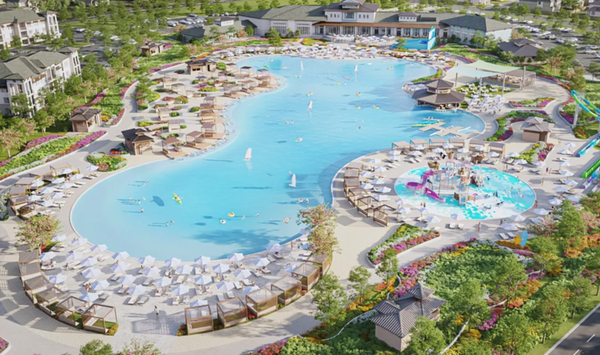
North Arlington's Viridian master-planned community — with its lakes, sailing club, and resort amenities — competes credibly with anything in Frisco or Prosper, and the neighborhoods around Lake Arlington and in far south Arlington offer executive-level housing at prices below comparable Dallas-side product. Arlington's ceiling is much higher than its reputation suggests.
6. UTA and the college-town dividend
A major research university brings more than students: continuing education, cultural programming, Maverick athletics, and a steady rental demand base that supports property values near campus. For investors, the UTA rental market is one of the most durable in Tarrant County.
The Cons
1. No citywide mass transit
Arlington is famously the largest U.S. city without a traditional public bus system. On-demand rideshare-style services (Via) and limited connections exist, but there is no rail station and no comprehensive bus network. If you don't drive, Arlington is genuinely difficult. Even if you do, it means every household errand, commute, and school run happens by car — plan on being a multi-vehicle household.
2. Traffic and event-day gridlock
I-30 and SH-360 carry crushing volumes at peak hours, and the entertainment district adds a unique Arlington tax: event traffic. Cowboys home games, Rangers playoff runs, and stadium concerts can lock down the north-central part of the city for hours. Residents learn the calendar and the backroads, but if you buy near the stadiums, understand what 80,000 visitors on a Sunday actually feels like.
3. School quality varies dramatically by neighborhood
Arlington ISD is a large urban district with genuinely strong programs — including respected fine arts and career-tech academies — alongside campuses that struggle. Ratings can swing widely between attendance zones just a few miles apart. Many south Arlington buyers specifically target the Mansfield ISD portion of the city. Whatever you do, shop the specific attendance zone, not the district average — in Arlington, the zone is everything.
4. Aging housing stock and deferred maintenance
A large share of Arlington homes were built between the 1950s and 1980s. That brings character, big trees, and established streets — and also cast iron plumbing, aluminum wiring in some eras, foundation movement in clay soils, and decades of varied maintenance quality. Inspection diligence and foundation history matter enormously here. Budget for updates, or pay up for the renovated product.
5. Block-by-block inconsistency
Arlington's variety is a strength and a weakness. A well-kept street can border a struggling one, and commercial corridors in central and east Arlington show their age. Drive the neighborhood at night, check what's around the corner, and evaluate the immediate block — citywide statistics tell you very little about a specific address in a city this varied.
6. Property taxes without the shiny-new offset
Tarrant County combined rates in Arlington typically land in the low-to-mid 2% range before exemptions. That's standard for Texas — but unlike boomtown suburbs where the tax bill buys brand-new schools and amenities, parts of Arlington pair the same rate with older infrastructure. Homestead exemptions and (for those who qualify) over-65 freezes are essential tools here.
Who Arlington Fits Best
- Split-commute households working in both Dallas and Fort Worth
- Value-focused buyers who want maximum square footage per dollar in a central location
- Sports and entertainment lovers who'll actually use the district
- Investors targeting UTA rentals or entry-level single-family product
- Buyers willing to research at the neighborhood and attendance-zone level to find the pockets that outperform
Who Should Look Elsewhere
- Anyone who needs or strongly prefers public transit
- Buyers who want uniform, master-planned consistency without block-by-block research
- Families set on a single top-rated school district experience without zone-shopping
- Those with low tolerance for event traffic near the entertainment district
Cost of Ownership: Arlington's Wide-Spectrum Math
Arlington's price spread means there's no single "Arlington payment" — but the cost structure follows patterns worth knowing.
At the entry level — a $280,000 central-Arlington home — the purchase price flatters and the ownership costs deserve scrutiny. Combined taxes in the low-to-mid 2% range are manageable at this price point, but insurance and maintenance carry the asterisks: older roofs drive premiums (and occasionally insurability), and 1960s–80s systems mean the inspection period should include a sewer scope, panel evaluation, and foundation history review as a matter of course. Budget a genuine capital reserve — $5,000–$15,000 of early updates is a common first-years reality in original-condition stock, and it's precisely why renovated homes command their premium.
At the top end — Viridian and the lakeside enclaves — note that some master-planned sections carry special-district financing that lifts the effective tax rate above the citywide norm; verify the exact rate for any specific address, because the difference on a $700,000 home is a car payment.
Arlington's hidden ownership subsidy is transportation-adjacent: centrality trims fuel, tolls, and time for split-commute households, and the absence of a transit system means you were budgeting for cars anyway. The hidden cost is event-day life near the stadiums — not a dollar line item, but a scheduling tax residents learn to manage.
As everywhere in Texas: homestead exemption filed immediately with the Tarrant Appraisal District, and Tarrant owners should make annual tax protests a habit — it's a participatory sport here, and the savings compound.
Frequently Asked Questions About Living in Arlington
Is Arlington a safe place to live? It varies more by neighborhood than almost any city in DFW. South and southwest Arlington, far north near Viridian, and many established central pockets track suburban-normal; some central and east corridors carry higher rates. Evaluate the specific blocks around any address rather than citywide statistics.
Why doesn't Arlington have public transportation? Voters declined to fund traditional transit systems repeatedly over the decades. The city instead operates Via, an on-demand rideshare-style service, plus limited connections toward regional rail. Practically: plan to drive.
Which schools should Arlington buyers target? Shop attendance zones, not the district average. Arlington ISD contains genuinely strong campuses and specialized academies alongside weaker ones, and much of far south Arlington zones to well-regarded Mansfield ISD — a major driver of that area's price premium. Verify zoning per address directly with the district.
Is Arlington good for real estate investors? It's one of Tarrant County's most active investor markets: UTA rental demand, entry-level price points that still cash-flow better than northern suburbs, and constant renovation arbitrage in older stock. The same rule applies — returns are made at the block level.
How bad is game-day traffic if I live near the entertainment district? Real but predictable. Cowboys Sundays, Rangers home stands, and stadium concerts congest the north-central grid for hours; residents within a couple of miles learn the calendar and route around it. Beyond that radius, event impact fades quickly.
Viridian looks amazing — what's the catch? Price and, in portions, special-district taxes that fund the lakes and amenities — verify the rate for the specific section. If the all-in payment works, Viridian delivers a resort-style product the rest of Arlington's price ladder can't match.
Where to Eat: 5 Arlington Favorites
For a city its size, Arlington's independent food scene is criminally underrated:
- Hurtado Barbecue — The Arlington-born pitmaster success story that put the city on the Texas barbecue map; expect lines, and expect them to be worth it.
- Prince Lebanese Grill — A beloved decades-old institution serving some of the best Lebanese food in the Metroplex.
- Restaurant506 at The Sanford House — Arlington's special-occasion answer: inspired American fine dining inside a boutique inn, holding a rare 5.0 OpenTable rating.
- The Tipsy Oak — All-outdoor backyard-barbecue vibes near the entertainment district, with smoked brisket cheese fries and live music.
- Babe's Chicken Dinner House — Family-style fried chicken next to the Arlington Music Hall; a North Texas classic.
Golf in Arlington
Texas Rangers Golf Club is the headliner — a fully rebuilt, Rangers-branded municipal championship course that regularly ranks among the best public golf values in DFW. Traditionalists also point to the long-established private options at Shady Valley and Rolling Hills.
School Ratings Worth Knowing
Here's the honest version: Arlington's school ratings vary sharply by attendance zone, and at the time of writing, the city's flagship comprehensive campuses rate in the middle of the GreatSchools scale rather than the top — Arlington ISD's strength lives in specific campuses, academies, and programs rather than across-the-board numbers, and much of far south Arlington zones into well-regarded Mansfield ISD. Rather than cherry-pick, we'll say it plainly: pull the live GreatSchools rating for the exact zoned campuses of any address you're considering at GreatSchools' Arlington page, and treat a strong zone as a price-supported asset — because the market certainly does.
Helpful Links
- City of Arlington — city services and the Via rideshare program
- Arlington ISD — boundaries, academies, and enrollment
- Mansfield ISD — for south Arlington attendance zones
- GreatSchools: Arlington, TX — current school ratings
- Texas Rangers Golf Club — tee times and course info
- OnDemand Realty — search Arlington homes block by block
The Bottom Line
Arlington rewards buyers who do their homework. Shop it lazily and you can end up on the wrong block; shop it carefully and you can land central-Metroplex convenience, real square footage, and entertainment access at prices the northern suburbs abandoned years ago. It's not one market — it's forty of them wearing the same city name.
Categories
Recent Posts