Living in Denton, TX: The Honest Pros and Cons of DFW's College-Town Original
Living in Denton, TX: The Honest Pros and Cons of DFW's College-Town Original
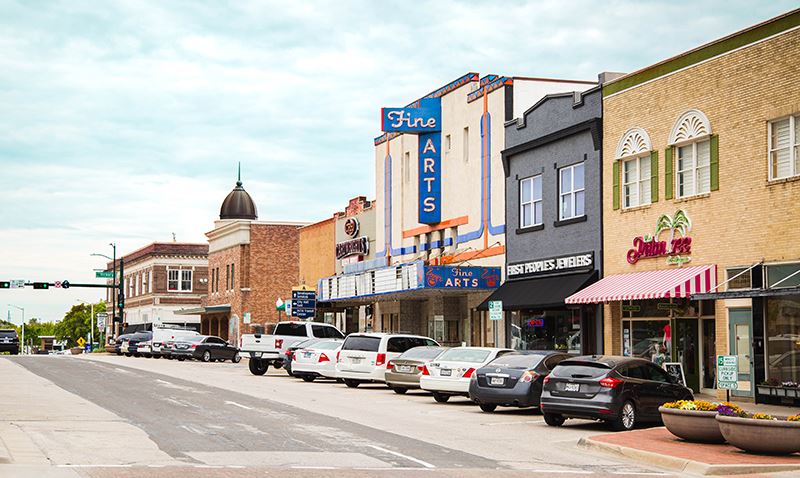
Denton is the Metroplex's genuine article: a real college town with a real square, two universities pumping 50,000+ students and a nationally famous music scene into a city that was a courthouse county seat long before DFW sprawled north to meet it. Sitting at the top of the Golden Triangle where I-35E and I-35W converge, Denton offers something no suburb can synthesize — an actual cultural identity — at prices the corridor's master-planned newcomers can't touch.
It also lives with college-town economics and I-35's daily reality. Here's the honest breakdown.
Quick Snapshot
- County: Denton (county seat)
- Population: Roughly 160,000, plus the university tide
- Typical price range: Approximately $275,000–$450,000 across most of the market — historic-district homes, mid-century neighborhoods, and newer south-side subdivisions — with Robson Ranch and estate properties above
- School district: Denton ISD (one of the fastest-growing large districts in Texas)
- Location: The I-35E/I-35W convergence, roughly 40 miles north of both downtowns; 25–35 minutes to Alliance/far-north Fort Worth, 35–45 to the Legacy corridor
- Vibe: College-town creative, courthouse-square Texan, music-soaked, unpolished on purpose
The Pros
1. The square — DFW's best downtown, arguably
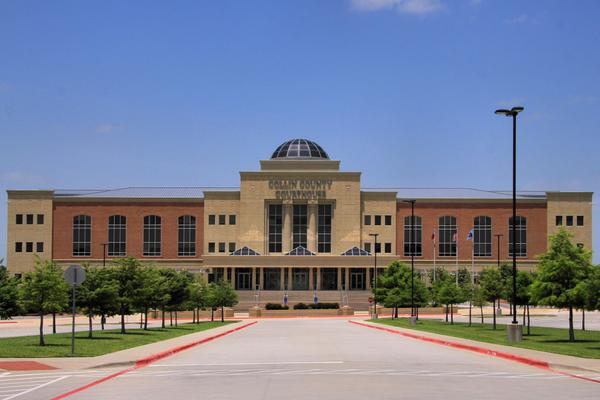
The 1896 courthouse anchors a downtown that actually functions: record stores, bookshops, bars with nightly live music, restaurants from vegan diner to fine dining, and a calendar (Arts & Jazz Festival, Day of the Dead Festival, Twilight Tunes) that draws the whole region. Where suburbs build "town centers," Denton simply kept its town.
2. Two universities and everything they generate
UNT (one of Texas' largest universities, with a legendary jazz program) and TWU pour research, arts, athletics, continuing education, health programs, and 50,000+ students' worth of economic energy into the city. The universities are Denton's recession-resistant employment anchors — and the reason a city this size supports this much culture.
3. Music in the municipal DNA
From the UNT One O'Clock Lab Band's Grammy legacy to the square's nightly stages to the festivals, Denton's music scene is nationally storied — routinely cited among America's best small music cities. For creative households, it's not an amenity; it's the point.
4. Real affordability with real character
Denton's mix — craftsman bungalows near the square, mid-century ranches in the tree streets, 1990s–2020s family subdivisions to the south, and the Robson Ranch active-adult resort — delivers character and choice at prices well under the eastern corridor's master-planned equivalents. Historic charm here costs what beige stucco costs in Prosper.
5. The Golden Triangle position
Sitting where both I-35 branches split, Denton reaches Alliance's massive employment corridor in 25–35 minutes, the Legacy/Frisco cluster in 35–45, and both downtowns in about 40–50 — plus DCTA's A-train commuter rail linking to DART at Carrollton. It's the only college town in Texas with two-downtown optionality.
6. Denton ISD's verified strengths
The district's southern tier posts genuinely strong numbers: Guyer High School rates 7/10 on GreatSchools, with feeder campuses like Hawk Elementary at 9/10 and McNair Elementary at 8/10 (ratings as of September 2026) — corridor-competitive schools inside college-town pricing.
The Cons
1. I-35 is the daily tax
The I-35E/W corridors through and south of Denton carry brutal peak loads, and the years-long expansion project has made the commute unpredictable even by DFW standards. Denton's distance math only works if your job sits at Alliance, in Denton itself, on the rail line, or at home — downtown Dallas or Fort Worth daily commuters should drive it for a week before believing any map estimate.
2. College-town economics cut both ways
Student rentals thread through many core neighborhoods — great for investors, mixed for owner-occupants who value quiet Augusts. Some blocks near campus turn over annually, party-house dynamics exist, and buyers should evaluate the specific street's owner-versus-renter mix. The city's rental registration efforts help; the block visit helps more.
3. Campus-by-campus school variance
The Guyer-tier southern campuses shine, but Denton ISD spans a fast-growing city with meaningful variance across its attendance zones, plus the constant rezoning of a district opening campuses at speed. Standard rule, applied firmly: verify the zoned campuses and their live ratings for the specific address, not the district average.
4. Older stock, older systems
The charm neighborhoods carry charm-neighborhood bills: pier-and-beam foundations, aging plumbing and electrical, original windows, and roof cycles that drive insurance. Sewer scopes and honest renovation budgets apply near the core; the newer south-side subdivisions trade that risk for construction-era commodity.
5. Property crime patterns near campus
Typical college-town patterns — bike theft, car break-ins, party-adjacent nuisance — concentrate near the universities and nightlife districts. Family neighborhoods a mile out live differently. Evaluate the block, not the headline.
6. Growth strain on a historic grid
Denton is growing fast on infrastructure sized for a smaller era: road projects everywhere, utility expansion racing rooftops, and the town-versus-gown-versus-growth debates that fill every council agenda. The city's charm is precisely what makes its growing pains contentious.
Cost of Ownership: College-Town Math
Model a $360,000 Denton home. The tax stack — city, Denton County, Denton ISD — lands in the low-to-mid 2% range before exemptions, with no special districts across the established fabric (verify on newer south-side subdivisions, where some carry district financing; Robson Ranch has its own structure to review). Insurance follows the roof-age rule with the added note that Denton's mature-tree neighborhoods put canopy management into the ownership budget.
The location dividends are specific: Alliance-corridor commuters ride free interstates (no toll dependence — a real monthly edge over the eastern corridor), A-train riders can delete a car's worth of costs, and university-linked perks (events, continuing ed, healthcare access) function as household amenities. Investors should model the student-rental market's strong yields against its management realities. Homestead exemption files with the Denton Central Appraisal District immediately; near-campus buyers should confirm any rental-registration implications, and Robson Ranch buyers should review that community's specific fee-and-tax stack line by line.
Where to Eat: 5 Denton Favorites
- Hannah's off the Square — Denton's fine-dining standard since 2001: seasonal, locally sourced New American in five distinct dining rooms, holding an "Exceptional" 4.8 OpenTable rating.
- LSA Burger Co. — Lone Star Attitude on the square: massive burgers, a rooftop overlooking the courthouse, and live music — voted Best Eats & Drinks on the Square by Denton readers.
- Beth Marie's Old Fashioned Ice Cream — The square's nostalgic soda fountain with 50+ handmade flavors; a Denton institution and rite of passage.
- El Matador — Family-owned Mexican serving Denton since 1983; the chile relleno has four decades of devotees.
- Barley & Board — The square's gastropub-and-brewhouse for elevated comfort food and local taps.
Golf in Denton
Wildhorse Golf Club at Robson Ranch headlines — a 27-hole championship complex on Denton's southwest side, open for public play and regularly cited among the area's better daily-fee experiences — while the long-established Denton Country Club serves the private side. Oakmont in nearby Corinth and the Ray Roberts-area courses deepen the rotation.
School Ratings Worth Knowing
Denton ISD's verified strengths cluster in its southern feeder patterns: Guyer High School rates 7/10 on GreatSchools, supported by campuses like Hawk Elementary (9/10), McNair Elementary (8/10), and Crownover Middle (7/10) — ratings as of September 2026. Across a district this large and fast-growing, other zones rate across the scale and boundaries shift as campuses open, so pull live ratings for the exact zoned campuses at GreatSchools' Denton page and verify assignments with Denton ISD at contract. In Denton, the southern-tier zones carry a real price premium — the ratings explain why.
Frequently Asked Questions About Living in Denton
Is the A-train a real commuting option? For DART-corridor destinations, yes: DCTA's rail runs Denton to Carrollton's Green Line connection, letting rail-adjacent residents reach Dallas without I-35. It's schedule-dependent rather than constant — check frequencies against your hours before counting on it daily.
Which Denton neighborhoods should families target for schools? The southern tier's Guyer feeder pattern carries the verified numbers (Guyer 7/10, Hawk 9/10, McNair 8/10 as of September 2026) and prices accordingly. Zones shift as this fast-growing district opens campuses, so verify the specific address's current assignments.
How much does the student population affect neighborhoods? Concentrically: blocks near UNT and TWU carry rental turnover and college rhythms; a mile out, family neighborhoods live conventionally. Evaluate the specific street's owner-occupancy mix — and if buying near campus, decide whether you're buying a home or (quite rationally) an investment.
What's Robson Ranch? Denton's large active-adult resort community on the southwest side — 27 holes at Wildhorse, extensive amenities, and its own fee-and-governance structure that deserves line-by-line review. For the 55+ buyer it's one of North Texas' most complete packages.
How bad is I-35 through Denton, honestly? At peak, among the region's tougher corridors, and the multi-year expansion has made timing unpredictable. Alliance-side commutes fare far better than downtown runs. Test-drive your actual commute for a week before contracting — Denton's standing advice.
Is Denton affordable compared to the rest of the corridor? Meaningfully: character homes near the square and solid family stock south of it price well under the eastern corridor's master-planned equivalents, and no toll dependence sweetens the monthly math. The premium zones (Guyer tier, square-adjacent) close the gap — because they've earned it.
Helpful Links
- City of Denton — city services and square events
- Denton ISD — boundaries, campuses, and enrollment
- GreatSchools: Denton, TX — current school ratings
- Discover Denton — festivals, music, and square happenings
- Wildhorse Golf Club — 27 holes at Robson Ranch
- DCTA A-train — commuter rail schedules
- OnDemand Realty — Denton listings from square bungalows to Robson Ranch
Who Denton Fits Best
- Creative households and music lovers who want the scene, not a simulation of one
- University-affiliated professionals, staff, and graduate families
- Alliance-corridor commuters riding free interstates
- Value buyers who want character neighborhoods at non-corridor prices
- Investors working the student-rental and near-square markets
- Active adults evaluating Robson Ranch's resort model
Who Should Look Elsewhere
- Daily downtown Dallas or Fort Worth commuters with low I-35 tolerance
- Buyers wanting uniform master-planned polish and predictability
- Anyone unwilling to research blocks around a 50,000-student university presence
- Families shopping solely on district-average ratings rather than campus zones
The Bottom Line
Denton is the anti-suburb: a city with a soul it didn't have to purchase from a developer, schools that verify strong in the right zones, and prices that let normal households own inside a real cultural scene. The costs are I-35, campus-adjacent block dynamics, and homework — all knowable, all manageable. For buyers who'd rather live somewhere than commute from somewhere, Denton remains the corridor's most interesting answer.
Categories
Recent Posts