
What's Included in the Sale of a House in Texas?
What's Included in the Sale of a House in Texas?
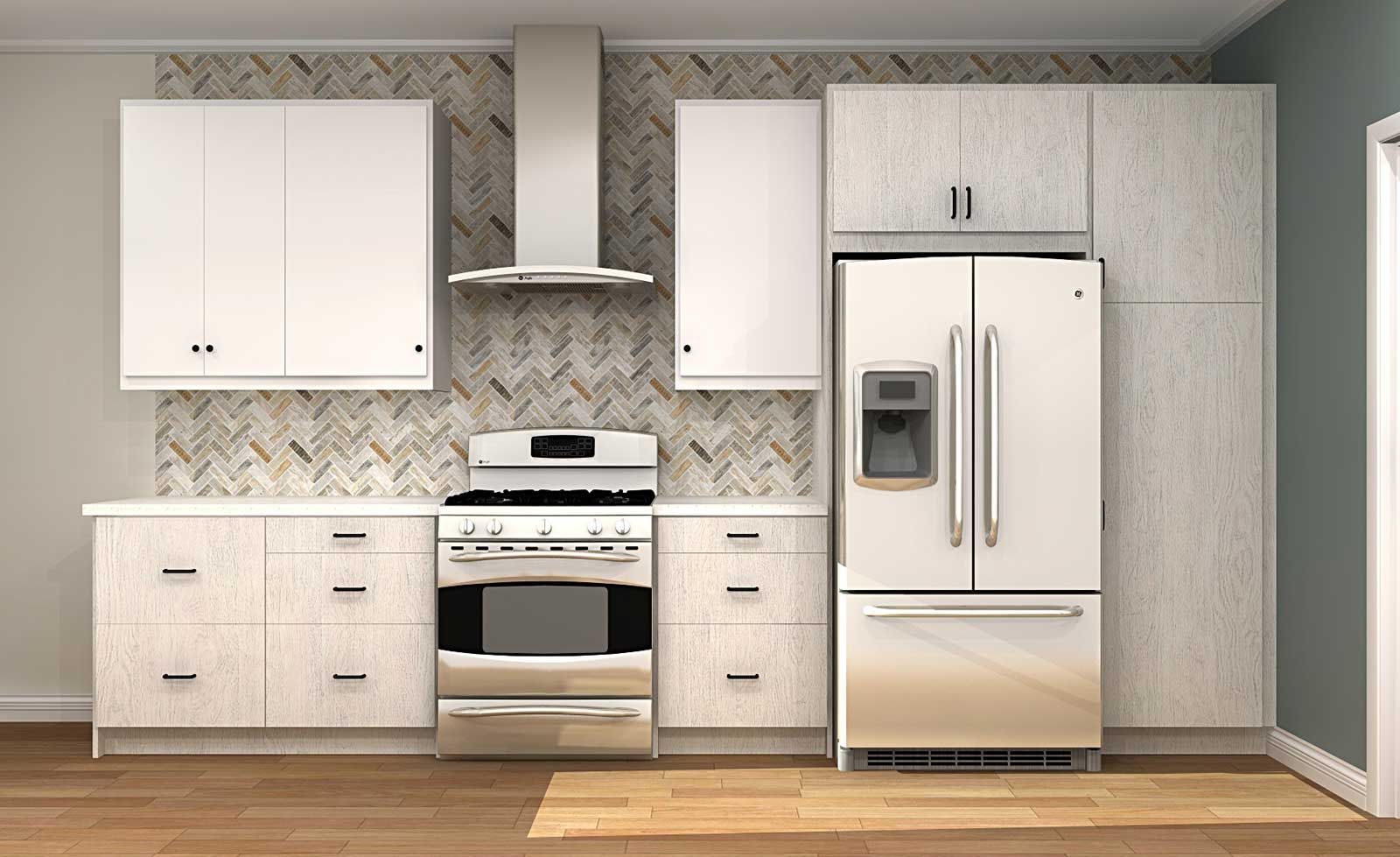
When you buy or sell a home in Texas, one of the most overlooked — and most argued about — questions is: what exactly comes with the house? The answer is more specific than most people realize, and it's spelled out in the contract before anyone signs.
Contracts commonly used in Texas home sales state that the house, fixtures, improvements, and accessories are part of the sale. But each of those words has a legal meaning, and understanding the difference between them can save buyers and sellers a lot of frustration.
What Is the "Property"?
Paragraph 2 of the Texas Real Estate Commission's One to Four Family Residential Contract defines what "Property" the seller is conveying to the buyer. According to the contract, the seller is selling the land, improvements, and accessories. The legal description also specifically identifies the property by Lot, Block, Addition, City, County, and Address.
That sounds straightforward — but the real questions start when you look at what counts as an "improvement" and what counts as an "accessory."
Paragraph 2B: Improvements
Improvements include the house, garage, and all other fixtures and improvements attached to the real property. The contract lists several items that may be considered improvements — but here's the catch: those items must be permanently installed and built-in to be part of the Property being conveyed.
That one phrase — "permanently installed and built-in" — is where most disputes begin.
What Does "Permanently Installed and Built-In" Actually Mean?
Whether a particular item qualifies is a factual issue determined on a case-by-case basis. There is no universal rule that says a particular item is always permanently installed and built-in. It depends on the circumstances.
To understand this, it helps to know what a fixture is. A fixture is an item that began its life as personal property — something the seller owned and could take with them — but was then attached to the real property in such a way that it became part of it. Once something becomes a fixture, it conveys with the property when the seller sells. The seller is giving up not just the land and structure, but everything that has become attached to it as a fixture.
The problem is that determining what is or isn't a fixture is rarely simple. Texas courts look at three factors:
- Intent: Did the party that installed the item intend it to become a permanent part of the real property?
- Attachment: Was there a real annexation of the item to the real property — is it actually affixed in a meaningful way?
- Customization: Was the item adapted to the uses or purposes of that specific property?
None of these factors alone is definitive, and they don't always point in the same direction. A chandelier may be wired into the ceiling (attachment: yes), may match the home's custom aesthetic (customization: somewhat), but the seller never intended it to stay (intent: no). That's exactly why sellers who want to keep a fixture need to address it in writing — before the contract is signed.
Paragraph 2C: Accessories
Accessories work differently from improvements. Accessories do not have to be permanently installed. All items listed under Paragraph 2C automatically convey to the buyer as part of the property — no additional negotiation needed.
Items listed as accessories typically include things like garage door openers (and their remotes), window air-conditioning units, ceiling fans, smoke detectors, and similar items that are associated with the home even if they aren't bolted in the same way a fixture would be.
Paragraph 2D: Exclusions
If a seller intends to keep an item that would otherwise convey to a buyer — a fixture, an improvement, or a listed accessory — that item must be listed as an "exclusion" under Paragraph 2D. If it's not listed, it conveys to the buyer as part of the property. No exceptions.
For example, if a seller wants to exclude a dining room chandelier — perhaps it's a family heirloom — the contract includes a place to document that. The seller's agent should list the exclusion before the contract is signed and, in most cases, should replace the excluded item with something comparable before the home goes on the market.
For buyers: you can also use the contract process to request items that aren't automatically included. If you want the patio furniture or the riding mower, your REALTOR® can use a separate form — the Non-Realty Items Addendum — to put that request in writing and make it part of the agreement.
Quick Reference: What Stays, What Goes
Here's a general guide based on the Texas REALTORS® infographic and standard contract interpretation. Keep in mind that exceptions exist for items marked with an asterisk — how they're installed and whether they're addressed in the contract both matter.
Typically Stays with the Property
- Stove / range / oven
- Ceiling fans
- TV wall mount (the TV itself goes with the seller)
- Chandelier (unless excluded in writing)
- Window shutters, blinds, and shades
- Curtains, drapes, and hardware rods
- Smoke detectors
- Garage door opener and remotes
- Wall-to-wall carpeting
- Window air-conditioning units
- Shrubbery and in-ground landscaping
- Built-in outdoor kitchen / encased grill
Typically Goes with the Seller
- Table lamps
- Television
- Potted plants
- Beds, couches, and furniture
- Dining room table
- Area rugs
- Lawn mower
- Hammock
- Portable / wheeled patio grill*
- Freestanding bookcase*
- Washer and dryer*
- Paintings and decorations
*These items may convey if they are permanently installed or built-in, or if addressed in the contract via addendum.
Frequently Asked Questions
Does a washer and dryer convey in a Texas home sale?
Freestanding washers and dryers are personal property and go with the seller. Built-in laundry units that are permanently installed may convey. If it matters to either party, address it in writing before the contract is signed.
How can a seller keep a chandelier when selling their Texas home?
A chandelier is generally treated as a fixture and conveys with the property. To keep it, the seller must list it as an exclusion under Paragraph 2D before the contract is executed — and should replace it with a comparable fixture before showing the home.
Does the TV wall mount stay or go?
The television is personal property and leaves with the seller. The wall mount is bolted into the wall and typically treated as a fixture that stays. If either party wants a different outcome, it needs to be documented in the contract.
Is a backyard grill part of the sale?
It depends on how it's installed. A portable grill on wheels is personal property and goes with the seller. A built-in grill permanently encased in stone or part of an outdoor kitchen is typically a fixture that stays.
Can a buyer request items not included in the standard contract?
Yes. Buyers can use the Non-Realty Items Addendum to request specific personal property items — like patio furniture, a riding mower, or a refrigerator — and make that transfer part of the written agreement.
What happens if a seller removes a fixture without excluding it?
Removing a fixture that was not listed as an exclusion is a potential breach of contract. The seller is obligated to deliver the property in substantially the same condition as it was at the time of the contract, including all non-excluded fixtures.
Do garage door openers convey with the home?
Yes. Garage door openers are listed as accessories under Paragraph 2C and automatically convey to the buyer — including remote controls and any keypads.
Does landscaping convey in a Texas home sale?
Yes. In-ground shrubbery and landscaping convey with the property. Potted plants are personal property and go with the seller.
When should buyers and sellers discuss questionable items?
Before the contract is executed. Raising fixture disputes after a contract is signed is much harder to resolve and can delay or derail a closing. Get it in writing upfront.
How do I make sure I receive everything I expect at closing?
Work with a knowledgeable buyer's agent who will identify ambiguous items during showings, document your expectations in the contract before signing, and use addenda when needed. If it matters to you, put it in writing.
Categories
Recent Posts