Fort Worth Market Update January 2026
Fort Worth Market Update January 2026
If you've been watching the Fort Worth housing market with a mix of hope and hesitation, you're in good company. Unlike some Texas metros that have seen wild swings, Fort Worth has entered what many experts are calling a balanced market—and that's genuinely good news for buyers who felt shut out during the pandemic frenzy. Let's break down what the numbers actually mean for you.
The current median home price in Fort Worth proper is $330,000, according to data from the Greater Fort Worth Association of Realtors and the Texas Real Estate Research Center. That figure is down about 1.5% from last year, marking one of the first sustained price declines the city has seen in years. For Tarrant County as a whole, the median sits at $345,000—essentially flat with a tiny 0.3% decrease year-over-year.
For those asking if home prices are dropping in Fort Worth, the answer is: yes, slightly. This isn't a crash—it's a correction. The market is stabilizing after years of unsustainable growth, creating what real estate professionals describe as a healthier, more balanced environment.
Finally, Room to Breathe: The Fort Worth Inventory Story
Remember when homes vanished within hours and buyers had to waive inspections just to compete? Those days are fading. The key metric here is Months of Inventory—imagine if no new homes hit the market; this number tells us how long it would take to sell every house currently for sale. Fort Worth's inventory has climbed to 3.5 months in Tarrant County, up significantly from the crisis-level 2 months we saw during the pandemic boom.
Experts consider 4-6 months a balanced market, so Fort Worth is approaching that healthy range. Some surrounding areas, like Parker County, have already hit 5.4 months of inventory—solidly in balanced territory.
We can also track this shift with Days on Market—the average time a house is listed before a seller accepts an offer. The average days on market in Fort Worth is currently 65 days, up from 56 days just a year ago. For comparison, during the 2021 frenzy, homes were going under contract in under two weeks.
So, is it a buyer's or seller's market in Fort Worth? The honest answer: it depends on who you ask. The market is genuinely transitioning toward balance. Buyers now have time for due diligence, inspections, and thoughtful decisions. But well-priced homes in desirable locations still move relatively quickly. The era of desperate bidding wars is over, but sellers aren't panicking either.
How Much Does a 1% Rate Change Really Cost You?
Beyond the sticker price of a home, the other crucial number for your budget is the mortgage interest rate—the fee you pay for borrowing money. This rate is the biggest factor in determining your monthly principal and interest payment. While a high home price is a one-time hurdle, the interest rate shapes your financial reality for decades.
The impact of a small change in mortgage rates is significant. On a $300,000 loan (close to Fort Worth's median), an interest rate jump from 6% to 7% adds approximately $200 to your core monthly payment. That's nearly $2,400 extra per year for the exact same house—money that can no longer go toward savings or other expenses.
Here's the silver lining for Fort Worth buyers: mortgage rates are expected to ease toward 6% through 2026, down from the 7% to 7.5% territory seen in 2023 and 2024. This isn't a return to pandemic-era lows, but it's a meaningful improvement that expands purchasing power. Combined with Fort Worth's slightly declining prices, affordability is genuinely improving—something Dallas buyers aren't experiencing to the same degree.
Your Game Plan: How to Navigate the Fort Worth Market as a Buyer
The current market conditions create a genuine opportunity for prepared buyers. For anyone trying to figure out how to navigate the current Fort Worth property market, success comes down to preparation—but you also have something buyers haven't had in years: time.
Your game plan comes down to three key steps:
- Get fully pre-approved for a loan, not just pre-qualified, to show sellers you're a serious contender.
- Take your time—with 65+ days on market, you can do proper inspections and make thoughtful decisions without panic.
- Negotiate. In a market where 47% of listings have price reductions, sellers are more flexible than they've been in years.
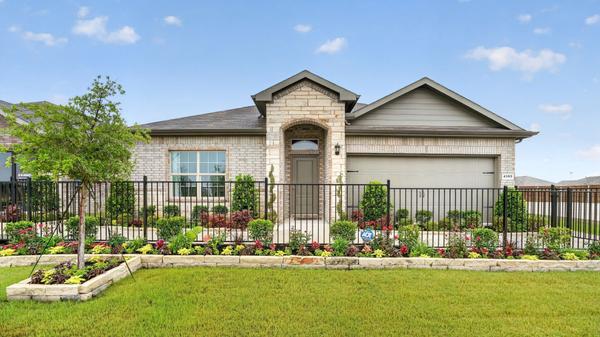
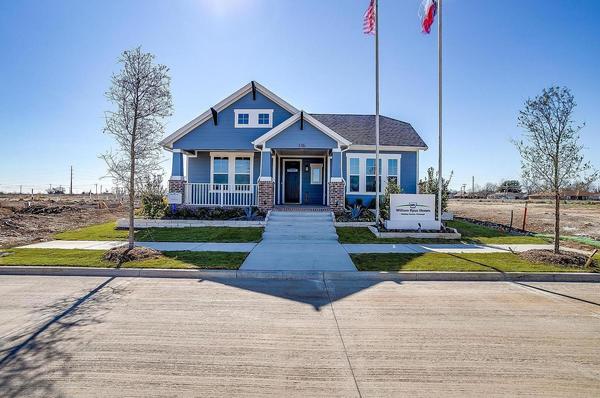
Consider new construction opportunities as well. DFW builders are competing aggressively with rate buydowns, closing cost assistance, and design upgrades. One major Fort Worth builder noted there's significant inventory to choose from, with prices stabilizing at what he called a "new, discounted level." Comparing new builds against resale options using the same monthly payment math often reveals surprising value.
What Fort Worth Sellers Need to Know in January 2026
The market hasn't abandoned sellers, but your strategy must evolve. The days of listing high and waiting for a bidding war are over. Strategic pricing from day one is now non-negotiable—homes priced correctly from the beginning receive more attention and stronger offers than those that sit and reduce.
Today's buyers have options. They're carefully weighing decisions without the panic of years past. Expect to compete on concessions—offering to pay for repairs, cover buyer closing costs, or provide rate buydowns can make your listing more attractive than simply cutting the price.
Move-in ready condition matters more than ever. Professional presentation—quality photography, compelling staging, and strategic positioning—generates more showings and better offers. Minor fixes and fresh paint signal that your home has been well-cared for, leading to stronger, more confident offers.
If you receive multiple offers, remember the highest price isn't always the strongest. An offer with fewer complications—like from a buyer with solid financing and no complex demands—is often the most reliable path to the closing table.
Your Next Move: What to Watch in the Fort Worth Market
The Fort Worth housing market has successfully absorbed the shock of high mortgage rates without collapsing its values. You're no longer just hearing the news; you're understanding the forces that shape it: rising inventory, stabilizing prices, and a market returning to normal after years of chaos.
The key signal to watch is mortgage rate movement. If rates ease toward 6% as predicted, expect buyer activity to increase. The other number worth tracking is months of inventory—if it continues rising past 4-5 months, buyers will gain even more leverage.
Fort Worth's fundamentals remain strong: growing population, solid job base, and steady housing demand. The region continues attracting corporate relocations and new residents from higher-cost states. This isn't a market in decline—it's a market finding sustainable footing.
By tracking these Fort Worth housing market trends for 2026, you've traded anxiety for awareness. The market is no longer an intimidating force, but a story you now know how to follow.
Categories
Recent Posts