How Many Showings Does It Take To Sell A House?
Photos, videos, and virtual tours—these are all great ways to showcase your house to buyers when selling. However, there's nothing like physically stepping into the home and seeing the condition of the space with your own eyes.
That’s where showings come into play. In this post, we’ll cover why showings are so important in the selling process and tackle a common question every seller asks: How many showings does it usually take to sell a house? We’ll look at the average number needed before receiving a strong offer and the key factors that can impact that number.
Photos, Videos, and Virtual Tours vs. In-Person Showings
Professional photos, videos, and virtual tours are powerful tools for attracting buyers. But nothing compares to the experience of physically walking through a home—seeing its true condition, feeling the space, and imagining life within its walls.
That’s where showings come in. In this blog, we’ll break down why showings matter, how long they typically last, and answer one of the most common seller questions: How many showings does it really take to sell a house?
The Role of Showings in Selling Your Home
A showing is a scheduled appointment where a prospective buyer—usually accompanied by their agent—tours your property in person. Showings are critical because they allow buyers to look beyond listing photos and truly evaluate your home’s features, layout, storage, location, and overall condition.
Each showing is like an audition: your home is the star, and every visit is a chance to make a lasting impression. The number of showings your property receives also serves as an important gauge of how it’s performing on the market.
While showings can be exciting, they can also be stressful. Sellers often need to keep their home spotless, tuck away toys and pet items, and find a temporary spot to go during the appointment. Naturally, this raises the question: How many times will I need to do this before the right offer comes in?
How Long Do Showings Last?
Most showings run between 15 and 45 minutes, though serious buyers may stay close to an hour. During that time, they’ll:
-
Walk through each room, including attics and basements
-
Peek inside closets and storage areas
-
Test light switches, faucets, and appliances
-
Take measurements to see if their furniture fits
-
Imagine how each room could be used
Because buying a home is such a major decision, some buyers linger longer to revisit features that could tip the scales toward making an offer.
How Many Showings Does It Take to Sell?
There’s no single “magic number,” but most real estate professionals agree it takes about 10 to 25 showings before receiving a strong offer. That said, some homes sell after just a few showings—while others require far more.
Here’s a rough breakdown:
-
1–5 showings: Common in hot markets or for very desirable homes
-
10–15 showings: Typical when pricing, condition, and marketing align
-
25+ showings: May indicate the property is overpriced or less competitive
It’s also worth noting that serious buyers often book back-to-back showings, especially if your home stands out among their top choices.
Key Factors That Influence Showing Volume
1. Pricing Strategy
Price is one of the biggest drivers of showing activity. Homes priced competitively for their market tend to generate steady interest. Overpricing, however, reduces traffic. If you’re getting lots of showings but no offers, it may be time to adjust the price.
2. Location & Neighborhood
Proximity to schools, shops, restaurants, parks, and commuter routes heavily influences demand. Desirable neighborhoods often see higher showing activity—especially when pricing and condition align.
3. Market Conditions
In a seller’s market, limited inventory means homes can receive multiple offers after just a few showings. In a buyer’s market, homes may linger despite dozens of showings since buyers have more choices.
4. Property Condition & Curb Appeal
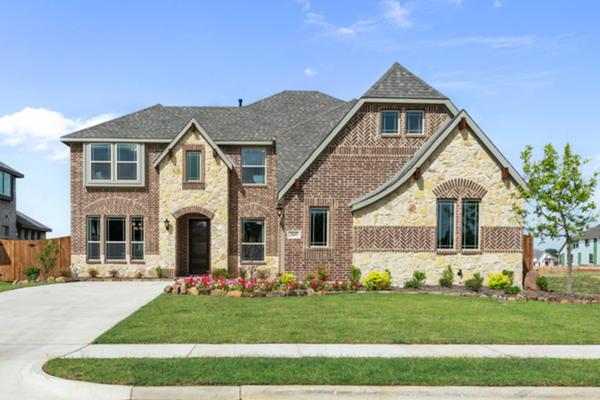
First impressions matter. Cleanliness, staging, and curb appeal can make or break a showing. According to NAR, 92% of agents recommend sellers improve curb appeal before listing, since a strong exterior boosts buyer interest from the start.
5. Timing & Seasonality
Spring and summer typically bring the highest showing activity, though many buyers in fall and winter are more serious and motivated. Fewer showings in the colder months can still lead to faster offers.
Partner With the Right Agent
There’s no exact formula for how many showings it will take to sell your home. But by working with a knowledgeable, local real estate agent, you’ll gain insight into what’s realistic in your market and strategies to maximize every showing opportunity.
From pricing guidance to staging advice, an experienced agent helps ensure your home leaves the right impression—so each showing brings you closer to an offer that makes all the effort worthwhile.
Categories
Recent Posts