10 Smart Tips for Buying a New Construction Home
10 Smart Tips for Buying a New Construction Home
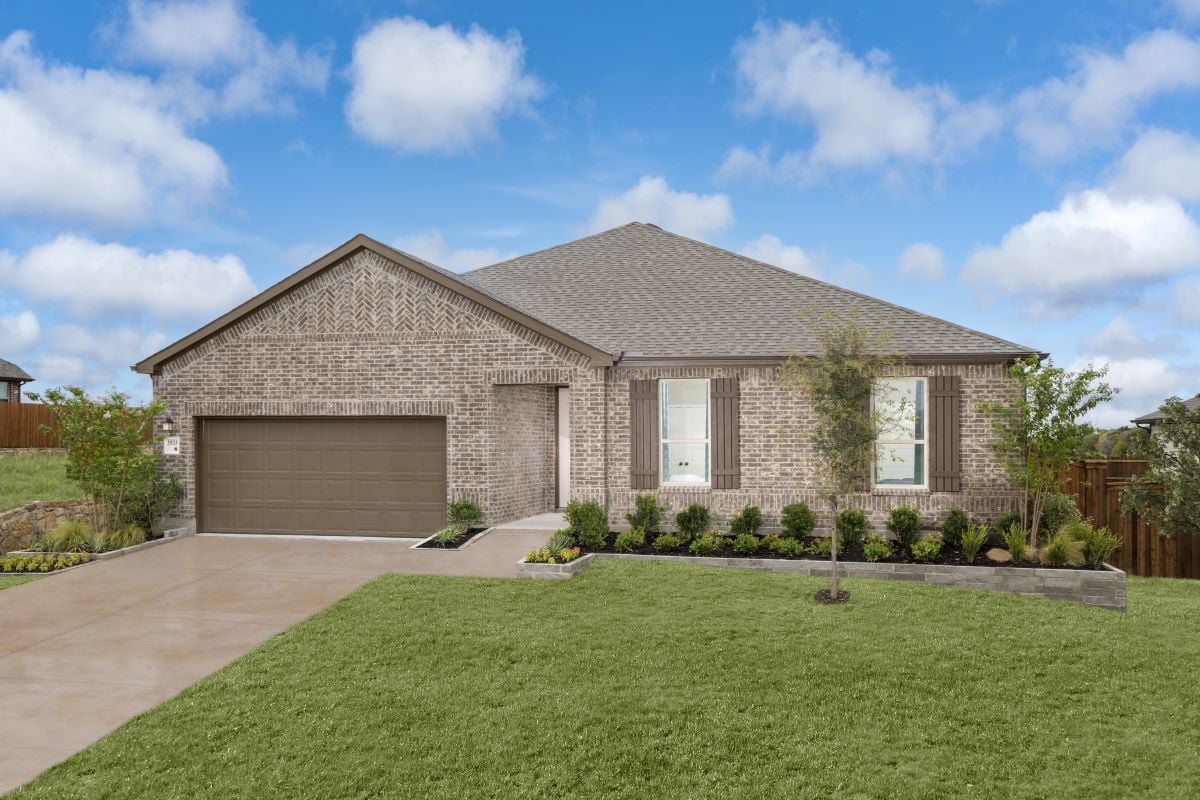
According to the National Association of Home Builders (NAHB), new homes — especially single-family builds — are increasingly catering to what today’s buyers want: open floor plans, modern kitchens, and multiple bathrooms. Cities like Dallas, Houston, and New York have some of the strongest new construction markets, according to Trulia’s data.
If you’ve been searching resale homes but still haven’t found the right fit, a new construction home might be the answer. You can:
-
Buy a move-in ready new build,
-
Choose a semi-custom home with set finishes and upgrades, or
-
Design a fully custom home from scratch.
Just like with any home purchase, though, there are important steps to take when buying new construction. Here are 10 smart tips to guide you through the process.
1. Weigh the Pros and Cons
Before diving in, take a step back and make sure a new build fits your lifestyle.
Pros:
-
No need for repairs or renovations right after moving in.
-
Modern layouts and designs (open concept, upgraded kitchens, energy efficiency).
-
Latest technology and materials for lower utility costs.
-
Ability to personalize colors, finishes, and upgrades before construction is complete.
Cons:
-
Often more expensive than existing homes.
-
May lack the charm or character of older homes.
-
Typically located in newer, less-established communities.
-
Less opportunity for hands-on DIY improvement projects.
2. Work With Your Own Agent — One Who Knows New Construction
Always bring your own real estate agent to the table — preferably someone experienced in new construction. Builders’ model homes are often staffed by agents who represent the builder, not you.
Your agent will:
-
Advocate for your interests.
-
Help negotiate upgrades or incentives.
-
Ensure all agreements are in writing.
And the best part? You don’t pay their commission — the builder does.
Tip: Visit model homes with your agent from the start. Some builders won’t allow you to bring your own representation later if you’ve already visited alone.
3. Research the Builder and Their Reputation
Not all builders are created equal. Take time to:
-
Read online reviews and testimonials.
-
Visit other developments by the same builder.
-
Talk to current residents about their experience.
-
Ask your agent if they’ve worked with the builder before.
Bonus Tip: Ask locals about extra costs like property taxes, HOA fees, or average utility bills — these can vary significantly by development.
4. Remember: The Model Home Isn’t the Standard Home
Model homes are staged to look irresistible — but what you see isn’t always what you’ll get.
They’re often packed with premium finishes, custom upgrades, and designer features that may not be included in the base price. Request a list of:
-
Standard features (what’s included)
-
Upgrade options (and their costs)
Your agent can help you compare and decide which upgrades are truly worth it.
5. Negotiate Creatively
Builders usually avoid lowering prices since it can affect future sales in the neighborhood. Instead, try negotiating for extras like:
-
Free upgrades or design credits
-
Paid closing costs
-
Additional landscaping or appliances
A skilled agent familiar with the builder’s negotiation style can help you get the best possible deal without hurting the home’s appraised value.
6. Shop Around for Financing
Many builders have preferred lenders — and sometimes offer incentives for using them. However, you’re never required to go with that option.
Compare rates and loan terms with multiple lenders to ensure you’re getting the best deal. Builder-affiliated lenders may be convenient, but they don’t always have your best interests in mind.
If the builder’s lender is your only choice, ask about:
-
Incentives or credits
-
Closing cost assistance
-
Special rate programs
7. Always Get a Home Inspection
Even brand-new homes can have issues — missed connections, poor installations, or shortcuts during construction.
Hire an independent, licensed home inspector to evaluate the property before closing. It’s the best way to catch hidden problems before the builder’s warranty expires and to ensure the home meets code.
8. Put Everything in Writing
Verbal promises mean nothing in real estate. Make sure all agreements — from upgrade details to completion timelines — are documented and signed by all parties.
Your agent will help you confirm that every promise and term makes it into the contract.
9. Get a Completion Guarantee
If you’re buying a home that’s not yet finished, make sure your purchase agreement includes a clear completion date.
Be aware that some builders include clauses tying completion to factors like city permits or material availability. Review those carefully, especially if you have to coordinate a move-out or temporary housing.
10. Understand the Warranties
Ask detailed questions about all warranties included with the home. Most builders offer:
-
Workmanship warranties (covering construction quality)
-
System warranties (for HVAC, plumbing, electrical)
-
Manufacturer warranties (for appliances, windows, etc.)
Know who to contact for each issue — the builder or the manufacturer — and what’s covered. Understanding the warranty upfront can save you time and stress later.
Final Thoughts
Buying a new construction home can be an exciting experience — there’s nothing like that brand-new home smell!
But like any big investment, success comes down to preparation. Do your homework, ask plenty of questions, and lean on your agent’s expertise. With the right guidance, you’ll be able to move into your dream home with confidence and peace of mind.
Categories
Recent Posts